Joseph's life is often reduced to one quick sentence: he went from the pit to the palace. I understand why that line is memorable, but it can make us miss the years of formation between those two places. Genesis gives us a young man inside a divided family, a slave learning to steward another person's house, a prisoner serving while forgotten, an interpreter who refuses to steal God's glory, an administrator who prepares a nation for famine, and a wounded brother who must decide what to do when power changes hands.
When I read Joseph carefully, I do not find a prosperity formula promising that every faithful believer will receive a palace. I find something deeper and more useful: God remained present through changing circumstances, and Joseph kept answering that presence with character, work, wisdom and mercy. His external position changed many times, but the real story is what God formed in him and how that formation later served other people.
This guide follows ten long-tail questions believers actually carry: what should I do when people envy what God has shown me, how can I stay faithful in work that is not mine, what does integrity cost, how do I serve while waiting, how does a gift become useful, what character can carry promotion, what is saving for, how do I rebuild trust, how do I forgive betrayal, and what kind of legacy remains after success? Read the whole path, or enter through the lesson that meets your present season.
1. A Dream Needs Discernment, Not Everybody's Approval
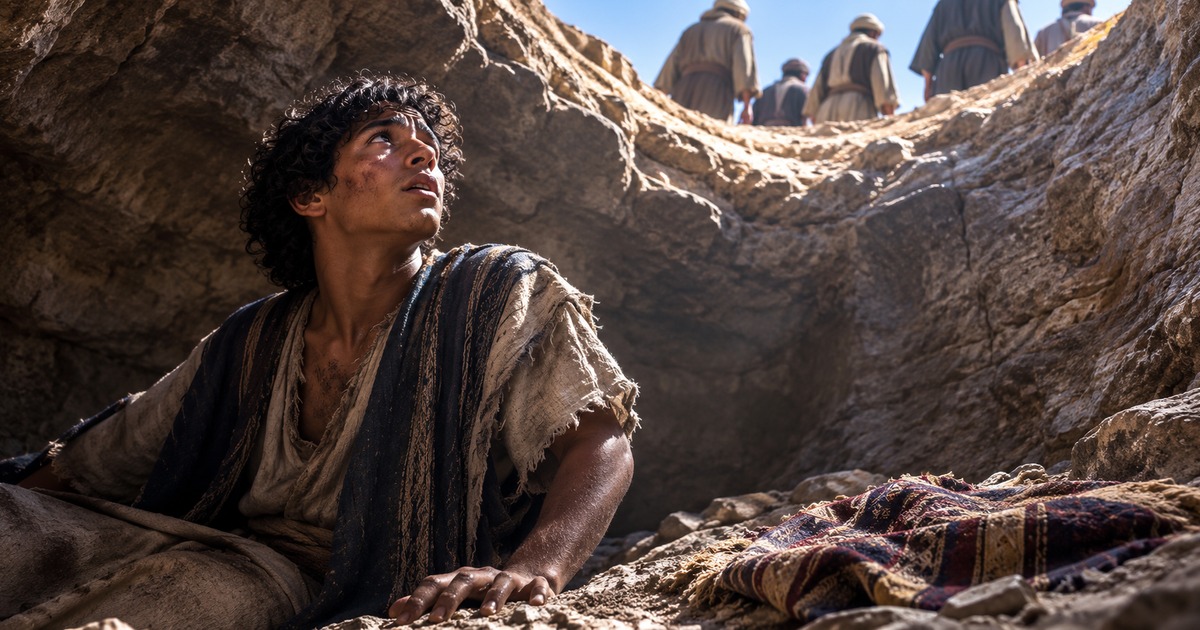
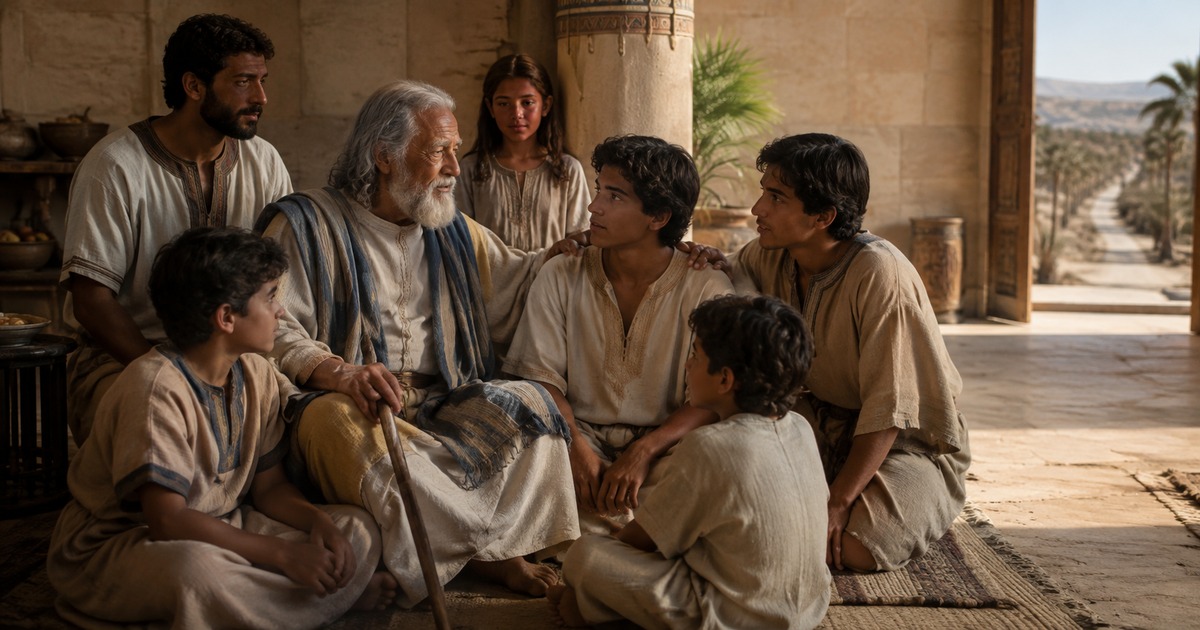
Genesis 37 begins in family tension before it reaches the pit. Joseph's brothers see Jacob's preference, hear the dreams and allow envy to become hatred. The lesson is not that every private ambition is a divine revelation, nor that every critic is an enemy. I must let Scripture test my motives while asking the Holy Spirit to govern what I share, when I share it and with whom. The detailed study, Joseph the Dreamer and the Pit: A Genesis 37 Bible Study on Envy, Familiarity, Discernment and What God Has Shown You, also turns the mirror towards the jealousy I may carry when somebody close to me advances.
2. God's Presence Can Be Seen in Faithful Stewardship
In Genesis 39:1–6 Joseph owns nothing, yet Potiphar entrusts much to him. Biblical prosperity in this passage cannot be reduced to private possessions. God's presence becomes visible through responsible work, growing trust and blessing that reaches beyond Joseph. Faithful in Someone Else's House: A Genesis 39:1–6 Bible Study on God's Presence, Stewardship and Trust asks a practical question for employees, assistants, ministry workers and anyone carrying another person's resources: do I treat what is not mine with the same integrity I want others to show me?
3. Character Is Decided Before the Consequence Is Known
Joseph refuses Potiphar's wife because betrayal would be wickedness against his master and sin against God. He sets a verbal boundary, resists repeated pressure and finally runs. His obedience is then misrepresented, and prison becomes the immediate cost. Character When No One Is Watching: A Genesis 39:7–20 Bible Study on Integrity, Temptation and the Cost of Obedience refuses the shallow claim that right choices always produce quick rewards. Integrity answers to God even when the truthful person cannot control the story told about them.
4. Being Forgotten Does Not Make Faithfulness Meaningless
In prison Joseph notices that two men are sad while his own case remains unresolved. He serves them, points interpretation back to God, speaks truth and asks the cupbearer to remember him. Then the cupbearer forgets. Diligence in the Forgotten Place: A Genesis 39:21–40:23 Bible Study on Faithfulness, Service and Waiting When People Forget You teaches me that faith can ask for legitimate help without placing final hope in a human connection. Waiting is not empty when it is forming attention, competence and endurance.
5. A Gift Makes Room When It Becomes Useful
When Pharaoh's need becomes visible, Joseph is prepared to listen, interpret and propose action. He says that the answer is not in him, yet he does not use humility as an excuse for vagueness. He explains the pattern and recommends a plan. The Gift That Makes Room: A Genesis 41:1–36 Bible Study on Preparation, Humility and Turning God-Given Understanding Into Wise Action shows the difference between possessing ability and carrying it responsibly. A gift serves people when discipline, listening and clear action are added to potential.
6. Promotion Is an Assignment Before It Is an Honour
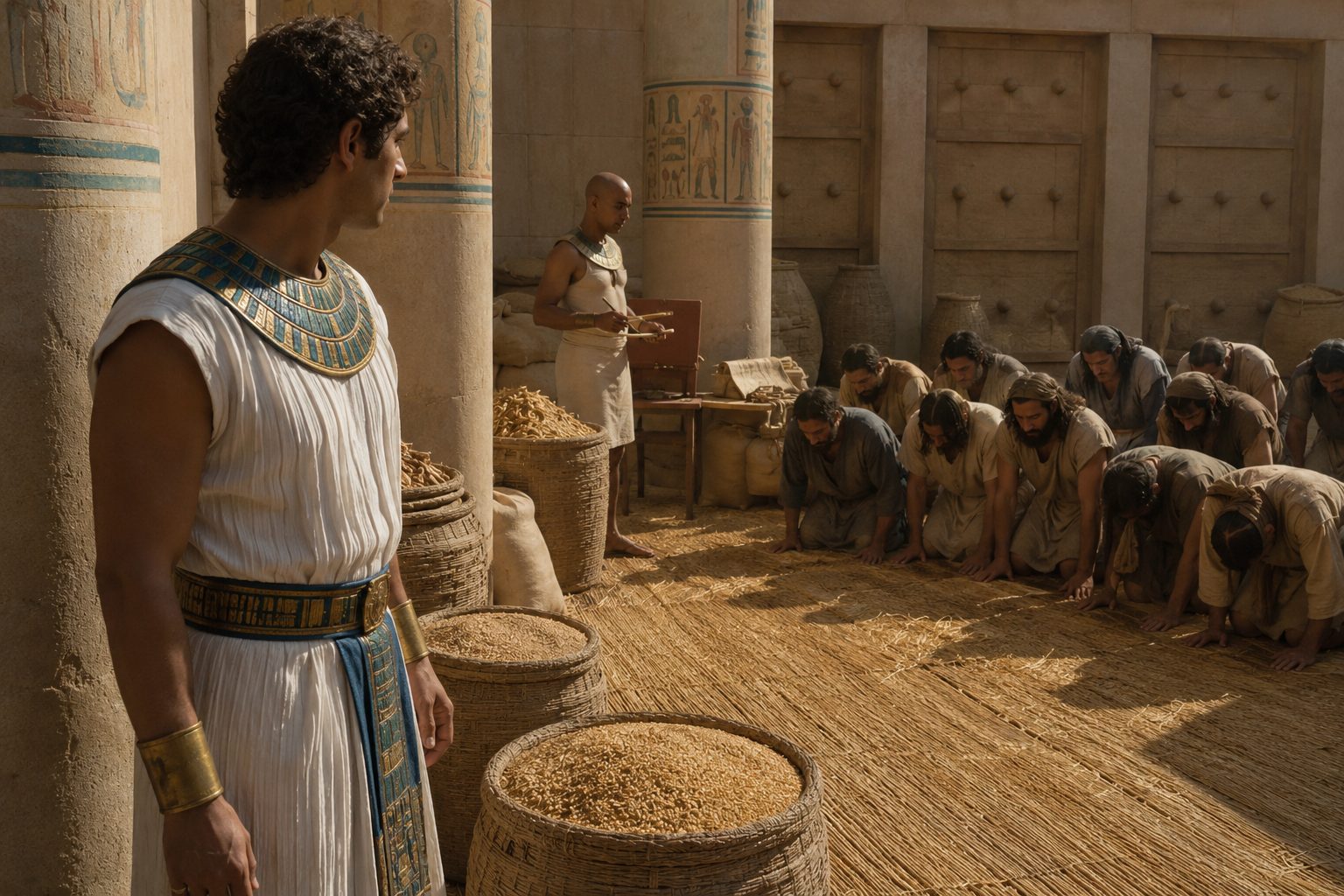
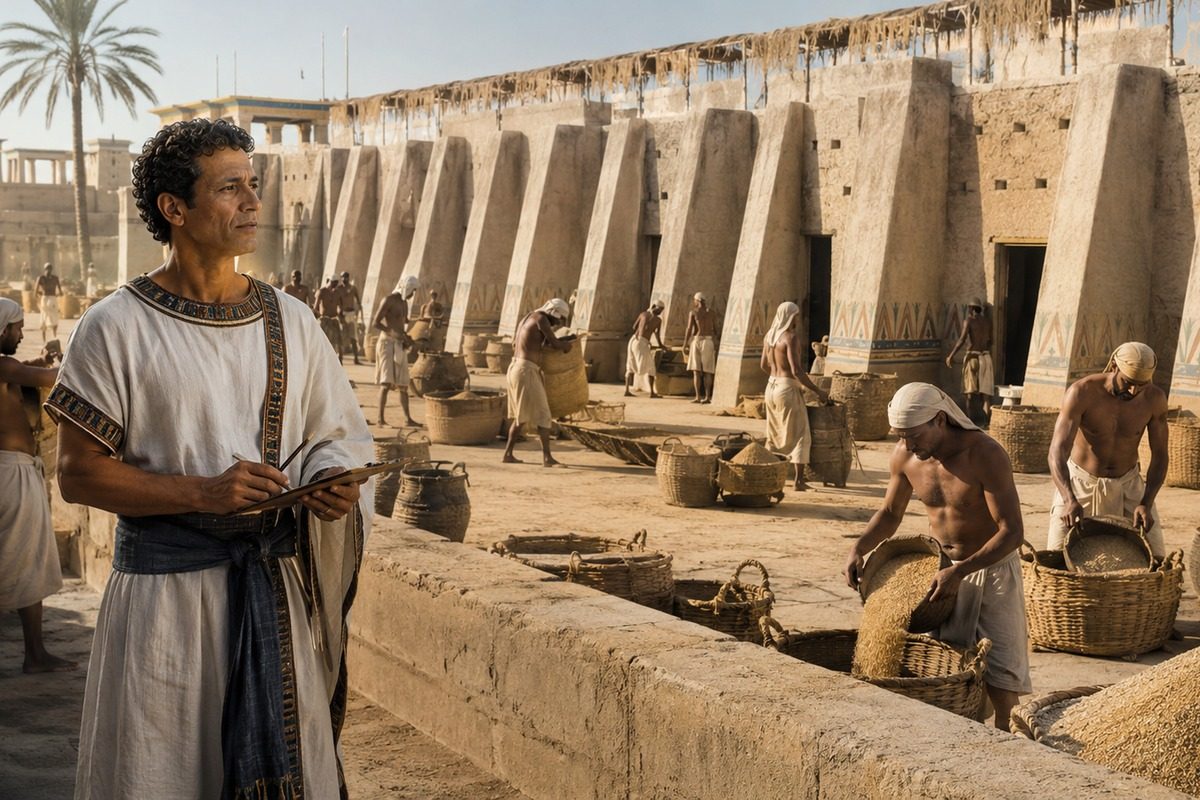
Pharaoh gives Joseph a ring, garments and authority, but the symbols quickly give way to travel, measurement, collection and administration. From Prison to Palace: A Genesis 41:37–57 Bible Study on Promotion, Stewardship and the Character to Carry Greater Responsibility keeps promotion in biblical proportion. Greater influence means that more people can be affected by my wisdom or my carelessness. The question is not only whether I want a larger place, but whether my character and systems can carry its weight.
7. Saving Gives Today's Abundance a Future Purpose
Joseph gathers during the years of plenty because abundance has a deadline and famine is coming. That is not fear; it is responsive stewardship based on what God has revealed. Wealth With a Kingdom Purpose: A Genesis 41:46–49, 53–57 Bible Study on Saving, Stewardship and Preparing Resources to Serve Future Need shows that resources remain servants when God remains our security. Saving is not hoarding merely to feel untouchable. It is assigning part of present provision to future responsibility, emergencies, generosity and service.
8. Forgiveness Does Not Require Instant Trust
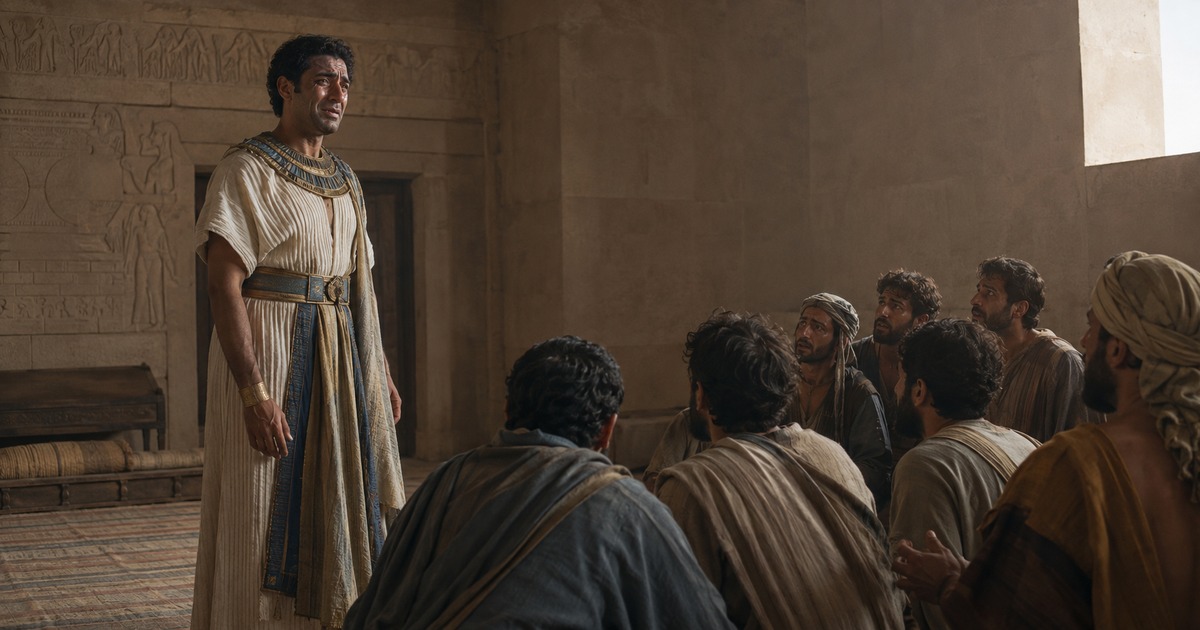
When Joseph recognises his brothers, he does not reveal himself immediately. He observes, tests the present situation, weeps privately and watches what Judah will do when Benjamin is threatened. Facing the Past: A Genesis 42–44 Bible Study on Forgiveness, Discernment, Rebuilding Trust and Recognising Genuine Change helps separate a forgiving heart from careless access. Trust can be rebuilt through truth, responsibility and fruit over time. Compassion and boundaries are not enemies when both remain under God.
9. God's Purpose Does Not Rename Evil as Good
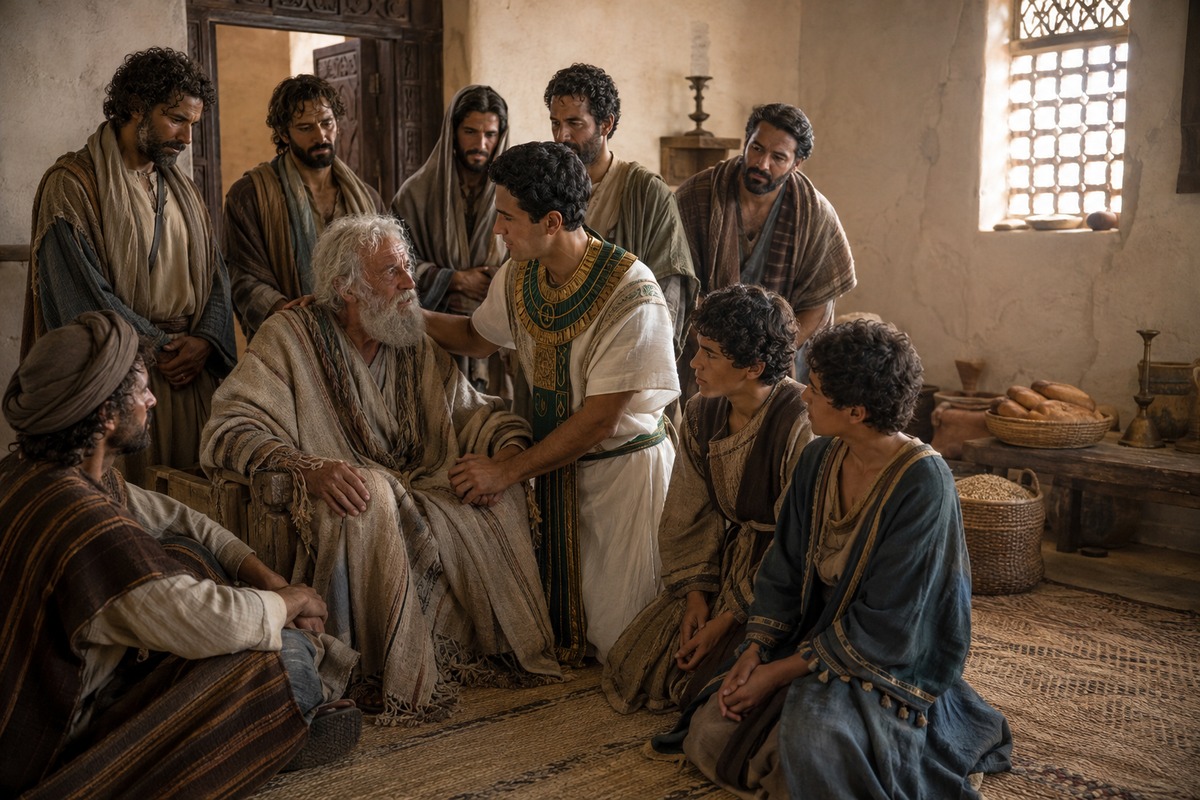
Joseph says two things in the same account: his brothers sold him, and God sent him ahead to preserve life. Genesis 50:20 uses the same Hebrew verb, chashab, for what the brothers intended and what God intended. You Meant Evil, God Meant Good: A Genesis 45 and 50 Bible Study on Forgiveness, Mercy and God's Purpose After Betrayal does not excuse betrayal. It shows that human evil is real without becoming sovereign. Joseph refuses revenge and uses present strength to nourish the very family that once harmed him.
10. A Godly Legacy Points Beyond the Successful Person
Joseph's last chapters turn towards children, blessing, memory and a promise that will outlive him. Egypt has been a place of provision, but it is not the final horizon of God's covenant. Legacy and Blessing: A Genesis 48–50 Bible Study on Generational Faith, God's Promise and Finishing Well asks what I am placing inside people, not only what I may leave in their hands. Joseph's final confidence is not that his office will preserve them. It is that God will surely visit His people.
How to Study Joseph's Life Practically
Begin by reading the biblical section before reading my explanation. Mark repeated words, changes of location, who holds power and how Joseph responds. Then name the responsibility actually in front of you. A dream may require quiet preparation. Employment may require stewardship. Temptation may require an immediate exit. Waiting may require continued service. Increase may require a saving plan. A painful relationship may require both forgiveness and boundaries.
I also encourage you to keep one page with four headings: what the text says, what it reveals about God, what it exposes in me, and what obedience looks like this week. That prevents Bible study from becoming information without transformation. Choose one action small enough to complete and specific enough to measure. Make the call, write the budget, strengthen the boundary, practise the skill, apologise, save the amount or complete the neglected task.
As you move through the series, resist the urge to treat Joseph as a shortcut to your preferred outcome. The pit, house, prison and palace are not four steps in a guaranteed career ladder. They are settings in which the same question keeps returning: will I honour God with what is in front of me now? That question is useful in obscurity and influence, in lack and abundance, in conflict and reconciliation. It keeps faithfulness from depending on applause, and it keeps success from becoming the measure of God's love. Joseph's life matters because God is faithful, not because Egypt's power is the believer's promised destination.
Further Reading
- The Gift That Makes Room Bible Study on Preparation, Humility and Turning God Given Understanding Into Wise Action
- Faithful in Someone Else's House: A Bible Study on God's Presence, Stewardship and Trust
- Joseph the Dreamer and the Pit A Genesis 37 Bible Study on Envy, Familiarity, Discernment and What God Has Shown You
- Legacy and Blessing: A Genesis 48 To 50 Bible Study on Generational Faith, God's Promise and Finishing Well
- You Meant Evil, God Meant Good: A Genesis 45 and 50 Bible Study on Forgiveness, Mercy and God's Purpose After Betrayal
- Character When No One Is Watching: A Genesis 39:7 20 Bible Study on Integrity, Temptation and the Cost of Obedience
- Wealth With a Kingdom Purpose: A Bible Study on Saving, Stewardship and Preparing Resources to Serve Future Need
- Facing the Past Bible Study on Forgiveness, Discernment, Rebuilding Trust and Recognising Genuine Change
- From Prison to Palace Bible Study on Promotion, Stewardship and the Character to Carry Greater Responsibility
- Diligence in the Forgotten Place: A Genesis 39:21, 40:23 Bible Study on Faithfulness, Service and Waiting When People Forget You
Frequently Asked Questions
What is the main message of Joseph's story in the Bible?
Joseph's story shows God's faithful presence and purpose through betrayal, slavery, temptation, prison, responsibility, famine and reconciliation. It also shows the human responses that matter inside those circumstances: integrity, diligence, wisdom, stewardship, forgiveness and faith in God's promise.
Does Joseph's rise from prison to palace promise financial promotion to every Christian?
No. Genesis records what God did in Joseph's particular calling; it is not a guarantee that every believer will receive political office or wealth. The transferable truths concern God's presence, faithful character, prepared ability and responsible service in whatever assignment we actually receive.
What can Christians learn from Joseph about work and money?
Joseph treats responsibility seriously before he owns much, plans during abundance, stores with a defined future purpose and releases resources when need arrives. His example supports diligence, saving and service, but never worship of money or the prosperity gospel.
How did Joseph forgive without ignoring what happened?
Joseph names the sale and the evil intention clearly. He refuses revenge, recognises God's larger purpose and later provides for his family. Before full reconciliation, however, Genesis 42–44 shows restraint and attention to changed behaviour. Biblical forgiveness can therefore remain truthful, discerning and wise.
Where to Read Next
Found this helpful? Share it with someone who needs it.