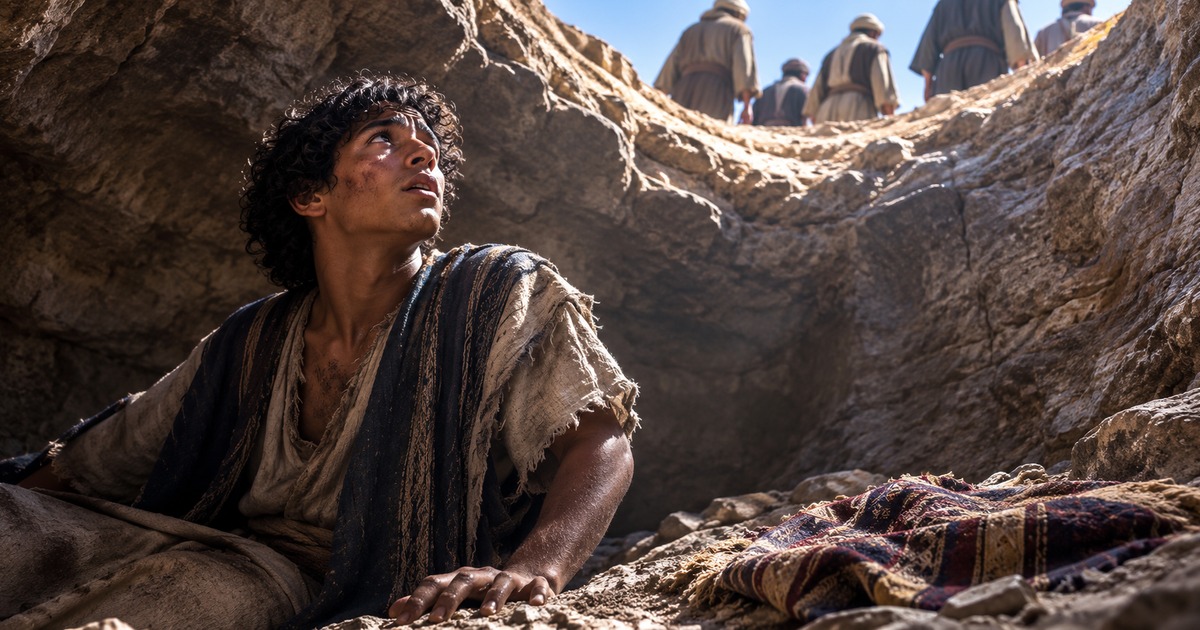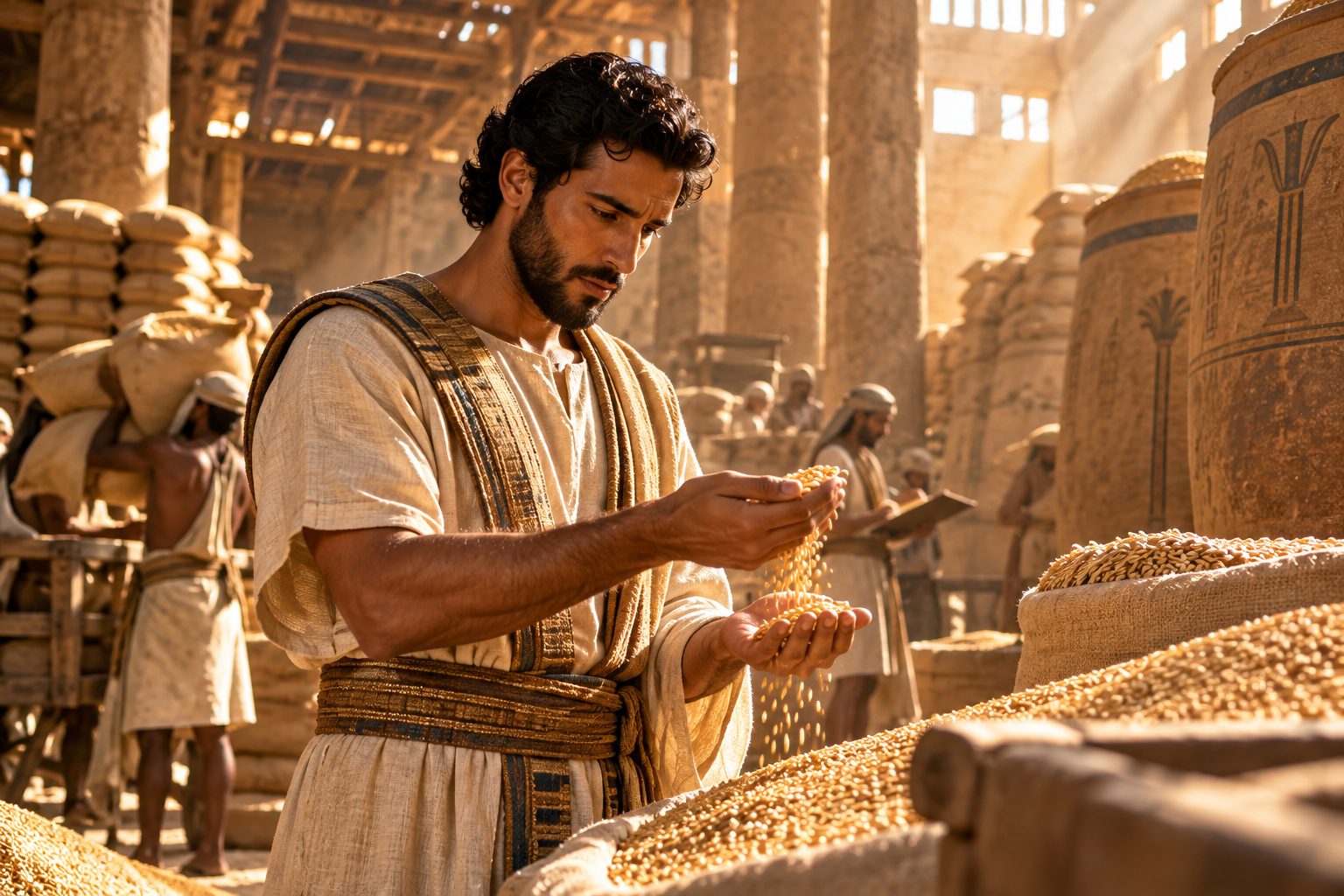
Most Christians treat the story of Joseph as a Sunday school lesson about a colourful coat and a promotion. We look at his rise from the dungeon to the palace and call it "favour", as if God simply waved a magic wand over his life. But God did not just give Joseph a title; He gave him, a purpose and an economic mandate that saved the known world from extinction.
If you have ever wondered how to build a financial reserve when the economy feels shaky, you are looking at the right man. Joseph did not just survive a crisis; he anticipated it, measured it, and managed it with a level of precision that would put modern fund managers to shame. He understood that the blessing of the "plenty" years was not for current consumption, but for future preservation.
At the same time, you and i can learn a great deal of lesson looking at his story with intent and purpose, because only then, can we be able to understand the power of seeing a crisis before it could even hit.
In my own walk, I have found that we often pray for the "plenty" while completely ignoring the discipline required to manage it. We want the harvest of Genesis 41 without the administrative rigour Joseph applied to the grain. Understanding how The Story of Joseph in the Bible: 10 Powerful Lessons From His Life applies to your bank account starts with one specific, counter cultural habit: saving when everyone else is spending.
Joseph did not wait for the famine to start before he began to set things aside. He capitalised on the abundance to prepare for the lack. This is the fundamental shift in thinking that separates a Kingdom steward from a worldly consumer. You do not save because you are afraid of the future; you save because you are responsible for it.
Understanding Otsar
The English word "storehouse" feels like a dusty building at the back of a farm. It sounds functional but forgettable. But the Hebrew word used throughout the Old proof for these places of preparation is otsar , and it carries a weight that our modern translations often miss.
An otsar is not just a cupboard or a shed. It comes from a root that means to lay up or to hoard for a purpose. In the King James Version, this word is translated as "treasure", "storehouse", and "armoury". It represents a concentrated resource that is held back for a specific moment of need or a strategic strike. "The LORD shall open unto thee his good treasure (otsar), the heaven to give the rain unto thy land in his season" (Deuteronomy 28:12, KJV).
When Joseph built his storehouses, he was not just "saving money" in the sense of hoarding coins. He was creating an otsar , a concentrated supply of life sustaining value. This reframes how you and I should look at our savings accounts or our emergency funds. They are not piles of idle cash. They are your otsar; they are the resources you have laid up so that when the "season" changes, you are not a victim of the climate, but a master of it. Joseph's strategy was to turn the temporary surplus of the field into a permanent security for the nation.
The 20% Mandate: How Joseph Structured the Savings
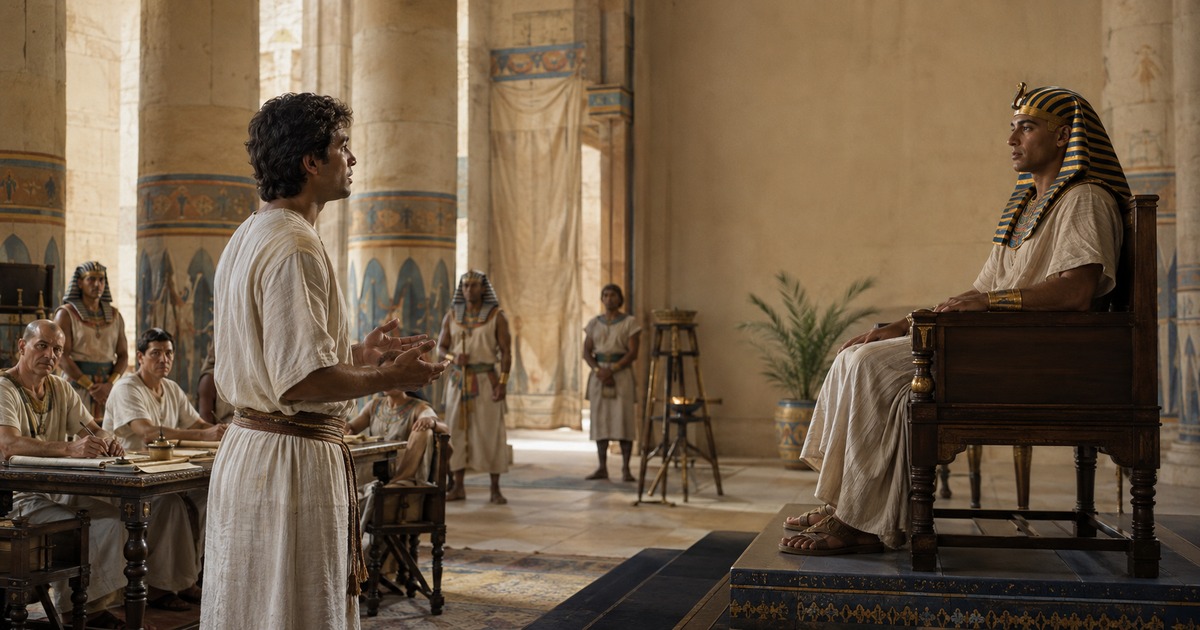
When Joseph stood before Pharaoh, he did not give a vague prophetic word about "trusting the process". He gave a specific, numerical directive. He told Pharaoh to "take up the fifth part of the land of Egypt in the seven plenteous years" (Genesis 41:34, KJV). In modern terms, Joseph implemented a 20% national savings rate.
Think about the discipline that required. During the years of plenty, the harvests were so massive that people likely felt they would never run out. It is very, very easy to be generous with your spending when your cup is overflowing. But Joseph insisted on a 20% cut right off the top before anyone could touch the rest. He didn't ask for a 2% "rainy day fund". He demanded a significant portion of the current wealth be locked away.
I believe many believers struggle with their finances because they have no "fifth part" strategy. We tithe, which is the first 10%, but then we consume the remaining 90% as if tomorrow is guaranteed to look exactly like today. Joseph knew that the 20% he saved was not "lost" money. It was "seed" money for a harvest that hadn't failed yet. If you want to know how to prepare your household for financial famine, you have to start by deciding that a portion of your income does not belong to your present lifestyle.
Decentralised Storage: Saving Where You Live
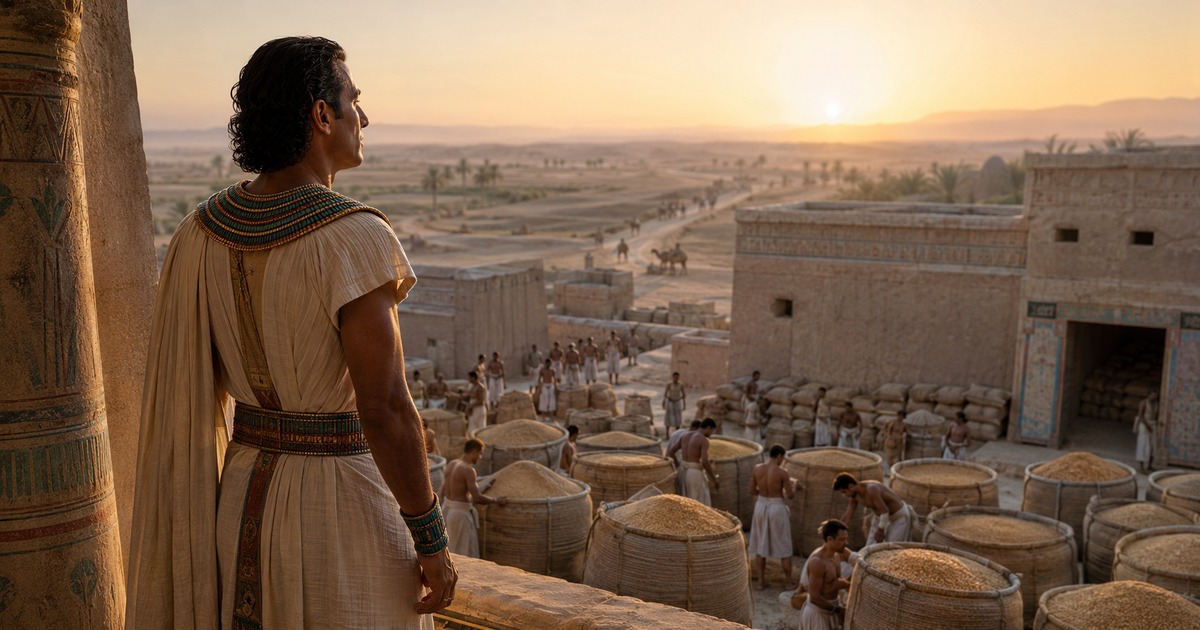
One of the most overlooked details in the biblical account is where Joseph kept the grain. He did not build one giant silo in the capital city and hope for the best. Scripture says he "laid up the food in the cities: the food of the field, which was round about every city, laid he up in the same" (Genesis 41:48, KJV).
This was a masterclass in logistics and accessibility. Joseph saved the wealth exactly where the people were going to need it. He kept the resources local. In our modern context, this teaches us about the importance of liquidity and accessibility. It is one thing to have "wealth" tied up in a long-term investment you cannot touch for twenty years. It is another thing to have a reserve that is available when the car breaks down or the job market shifts.
Joseph's method ensured that when the famine hit, there wasn't a massive, slow-moving bureaucracy trying to ship grain across the desert. The grain was already there. When you are learning what the Bible says about saving money, you have to look at the practicality of Joseph's storage. He made sure the supply was as close to the demand as possible. He was organised, systematic, and incredibly intentional about the "where" of his savings, not just the "how much".
The Character to Save in the Midst of Plenty
It takes zero character to save when you are starving. At that point, it isn't saving; it's survival. But it takes immense spiritual and mental fortitude to save when everyone around you is throwing a party. Imagine the social pressure Joseph must have faced during those first seven years. Egypt was booming. The Nile was overflowing. The markets were full.
People were likely buying new clothes, expanding their homes, and living as if the good times would never end. And there was Joseph, the foreigner, building massive stone sheds and taking 20% of every harvest to lock it in the dark. He must have looked like a pessimist. He must have looked like someone who didn't "have faith" in the ongoing prosperity of Egypt. But Joseph's faith was not in the Nile; his faith was in the Word that God had given him through Pharaoh's dream.
True stewardship is often lonely. If you decide to live on 70% of your income so you can tithe 10% and save 20%, you will not look like your neighbours. You might drive an older car. You might skip the luxury holidays. You are essentially "storing grain" while everyone else is eating it. But as I have discussed when looking at wealth with a Kingdom purpose, the goal of your saving is not to look wealthy; it is to be ready. Joseph was willing to be misunderstood in the years of plenty so he could be the provider in the years of famine.
Turning Savings Into a Service
Joseph did not save money to become the richest man in Egypt. In fact, if you read the end of the story, he didn't even keep the grain for himself. He sold it back to the people, and eventually, through that process, all the land and the cattle of Egypt came under Pharaoh's control. Joseph was acting as a steward for the Crown and a saviour for the people.
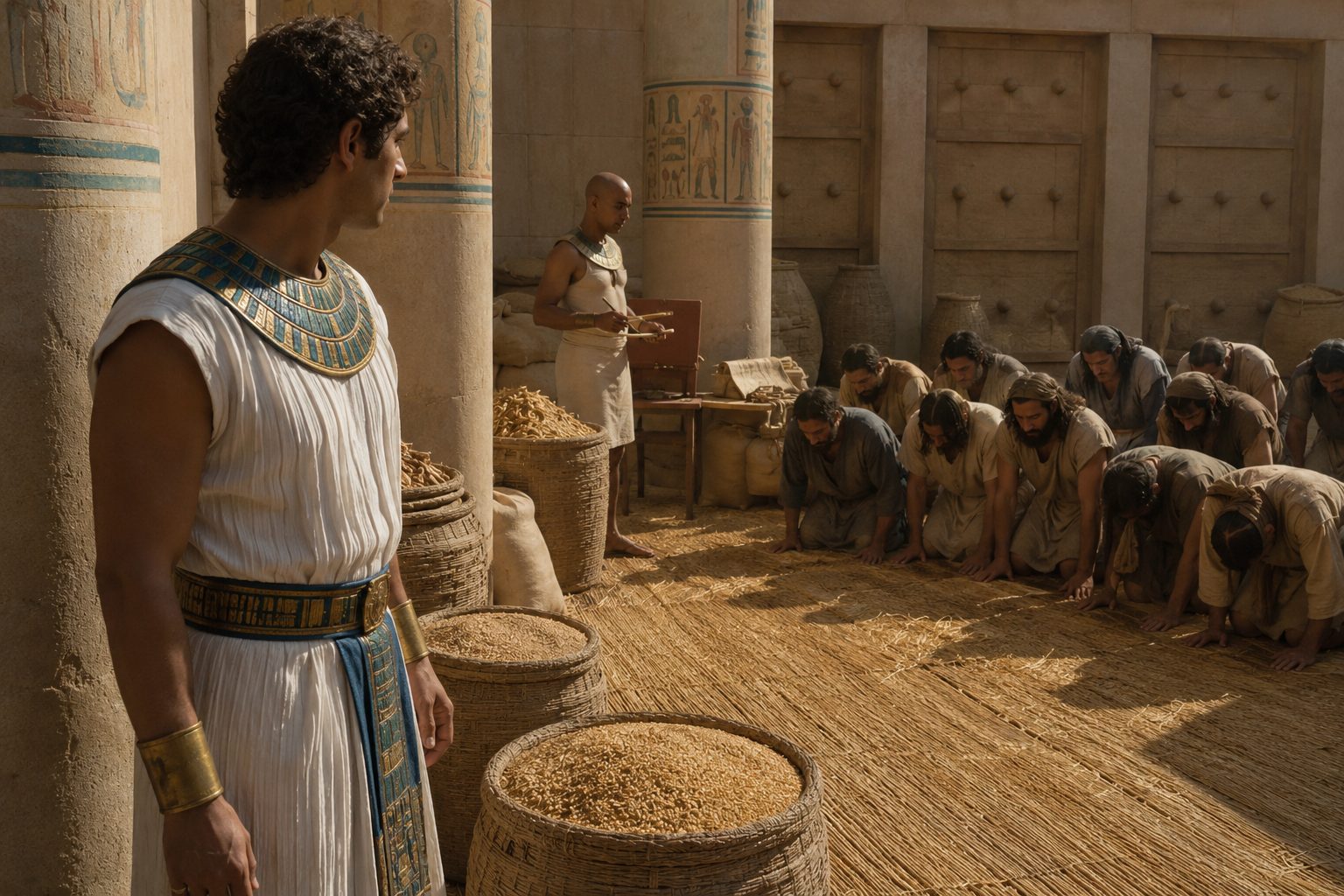
This is the "why" behind your savings. Most secular finance gurus tell you to save so you can "retire early" or "be your own boss". There is nothing inherently wrong with those things, but they are small goals. Joseph's goal was the preservation of life. He saved so that when his brothers , the very ones who betrayed him , came knocking, he had the resources to show them mercy instead of sending them away empty-handed.
Your savings account is a tool for ministry. When you have a reserve, you have the "licence" to be generous when everyone else is in a panic. You can help a family member in a crisis. You can fund a mission project without checking your credit card balance. You can see a need and meet it. When you understand what Joseph did for a living, you see that his professional excellence was entirely geared toward being a conduit of God's provision. He saved to serve.
The Transition From Plenty to Famine
"And the seven years of plenteousness, that was in the land of Egypt, were ended. And the seven years of dearth began to come..." (Genesis 41:53-54, KJV). That transition is one of the most sobering moments in Scripture. One day the sun set on the years of plenty, and it never rose the same way again for a long time. The change was abrupt.
The world's economy operates in cycles. We see it in the stock market, the housing market, and the job market. There are seasons where everything you touch turns to gold, and there are seasons where it feels like you are walking through treacle. Joseph’s example tells us that we should not be surprised by the "dearth". We should expect it. We should be so well-prepared that when the famine arrives, our lifestyle doesn't have to crash; it just switches to the reserve.
If you are currently in a "plenty" season , you have a stable job, your health is good, and your bills are paid , this is your window of opportunity. This is not the time to "upgrade" your life to the limit of your new income. This is the time to build your otsar. Like we see in From Prison to Palace, God promotes us not so we can consume more, but so we can manage more for His sake. The famine is coming, but for the prepared steward, it is not a disaster; it is a platform for God's glory.
Practical Steps to Save Like Joseph in 2026
We don't live in ancient Egypt, and most of us aren't managing national grain reserves. But the principles Joseph used are timeless and can be applied to your household budget right now. Here is how you can start capitalising on your "plenty" years:
Determine your "Fifth Part": Look at your take home pay. Can you commit to saving 20%? If that feels impossible, start with 5% and automate it so it leaves your account before you can spend it.
Build your "City Storehouses": Don't keep all your eggs in one basket. Have an emergency fund that is liquid (in a high-interest savings account) and separate from your daily spending.
Audit your "Plenty" spending: When you get a pay rise or a bonus, don't automatically increase your cost of living. "Store" the increase instead of eating it.
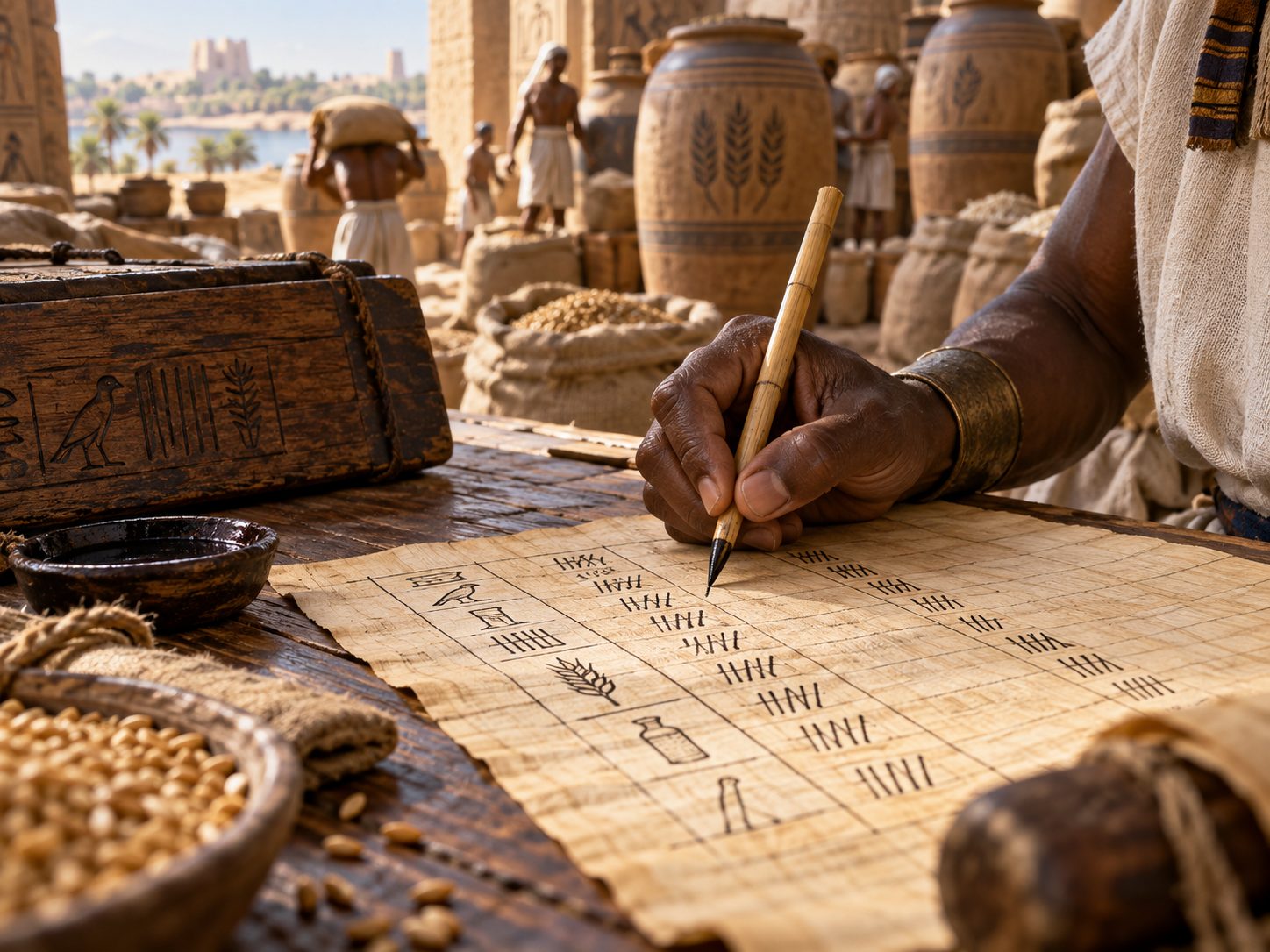
Keep a "Kingdom Ledger": Joseph was meticulous with his records. You should be too. Use a budget to track where every penny is going. Stewardship requires data, not just good intentions.
Remember the Purpose: Remind yourself regularly that you are saving to be a blessing. This kills the spirit of greed and replaces it with the heart of a steward.
By following these steps, you are moving from being a consumer to being a Kingdom citizen who understands the times. You are positioning yourself to be the person God uses when the "famine" hits your community. You are becoming a person of otsar.
Where To Read Next
The Story of Joseph in the Bible: 10 Powerful Lessons From His Life
Joseph's Economic Strategy: How to Prepare Your Household for Financial Famine
Frequently Asked Questions
How did Joseph save money in the Bible?
Joseph did not save paper currency, but he saved 20% of the national grain harvest during seven years of extraordinary abundance. By "taking up the fifth part" of the land's produce (Genesis 41:34, KJV), he created a massive physical reserve that could be liquidated or distributed when the famine arrived. This systematic, mandated saving turned a perishable surplus into a long-term national asset.
Is it a sin to save money instead of giving it all away?
No, saving is not a sin; in fact, the Bible commends the wise for preparing for the future. "There is treasure to be desired and oil in the dwelling of the wise; but a foolish man spendeth it up" (Proverbs 21:20, KJV). The sin lies in hoarding out of greed or trusting in riches rather than God, but saving for stewardship , as Joseph did , is a biblical virtue that enables future generosity.
What does the Bible say about saving for the future?
The Bible encourages us to look at the ant, which "provideth her meat in the summer, and gathereth her food in the harvest" (Proverbs 6:8, KJV). Scripture teaches that the wise man foresees evil and hides himself , or prepares , while the simple pass on and are punished. Joseph’s life is the primary biblical example of how God uses human preparation and storage to fulfill His divine purposes of preservation.
How much should a Christian save according to the Bible?
While there is no single "law" for savings, Joseph's example of 20% (a fifth part) is a powerful biblical benchmark for times of plenty. Many Christians find that the "10-10-80" rule , tithing 10%, saving 10%, and living on 80% , is a sustainable starting point. The key is to be consistent and intentional, ensuring that your savings rate reflects your trust in God's word rather than your fear of the world.
Should I save money if I have debt?
I believe you should always maintain a small "starter" emergency fund even while paying off debt, as this prevents you from going further into debt when an emergency occurs. Joseph saved during the plenty to avoid the "debt" of the famine. Once you have a basic safety net, you can aggressively use your "fifth part" to clear your debts and then transition those payments into long-term Kingdom savings.
Found this helpful? Share it with someone who needs it.