Nobody warns you and i that the hardest part of walking with God is not the battles we fight, but the long, silent stretches where nothing happens at all. This reminds me of how i use to be at one point in my Christian journey and as a follower of Christ.
I believed that first of all following Jesus was going to make things easier for me and life easy. But the part that interests me the most is how God strengthen and teaches us in ways we cannot understand as human beings where we have to depend and rely on Him and His leadership instead of our own things.
You wake up day after day with a promise in your heart and empty hands in your lap, wondering if God forgot your address. That is the quiet agony of delayed purpose, and it breaks more believers than any direct trial ever could.
What Does the Bible Say About Waiting on God When Life Feels Unfair?
If you have searched for what the Bible says about waiting on God, you are likely standing in the middle of an extended season of silence.
I have sat in that exact stillness, questioning every step of my walk and wondering if I missed God's voice entirely.
You may be holding onto a dream, a career direction, or a restoration that seems further away today than it did five years ago. "Wait on the LORD: be of good courage, and he shall strengthen thine heart: wait, I say, on the LORD." (Psalm 27:14, KJV) That verse sounds simple until you are the one living it out month after month without a single sign of movement.
I explore this exact weight in detail within The Story of Joseph in the Bible: 10 Powerful Lessons From His Life, because Joseph's entire life was an exercise in deferred promises.
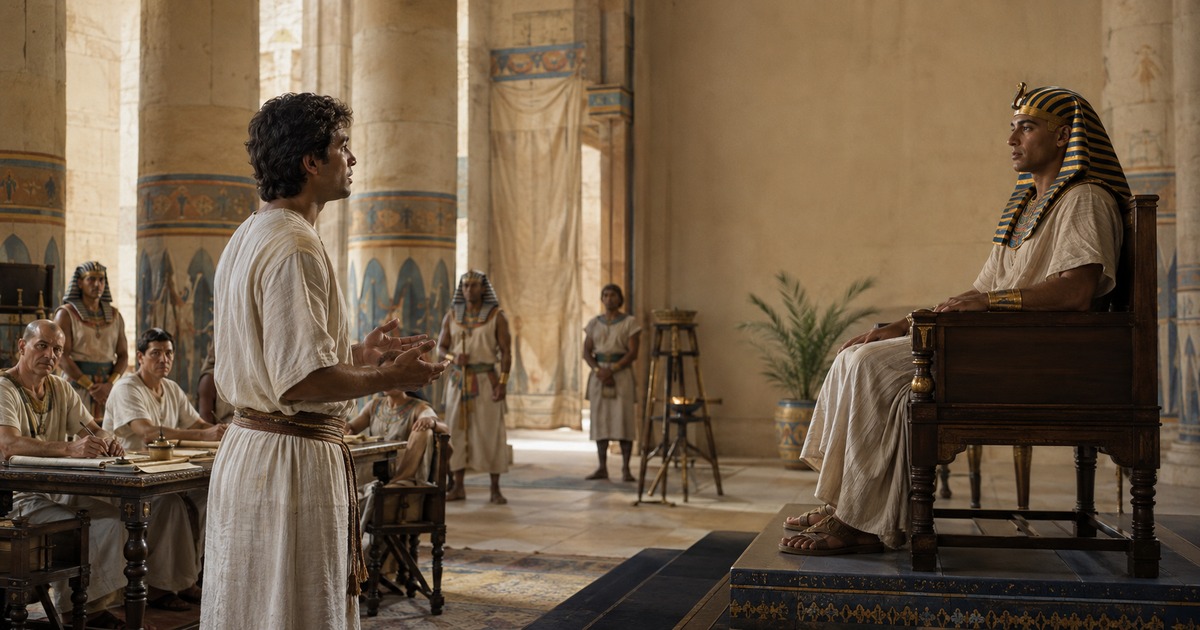
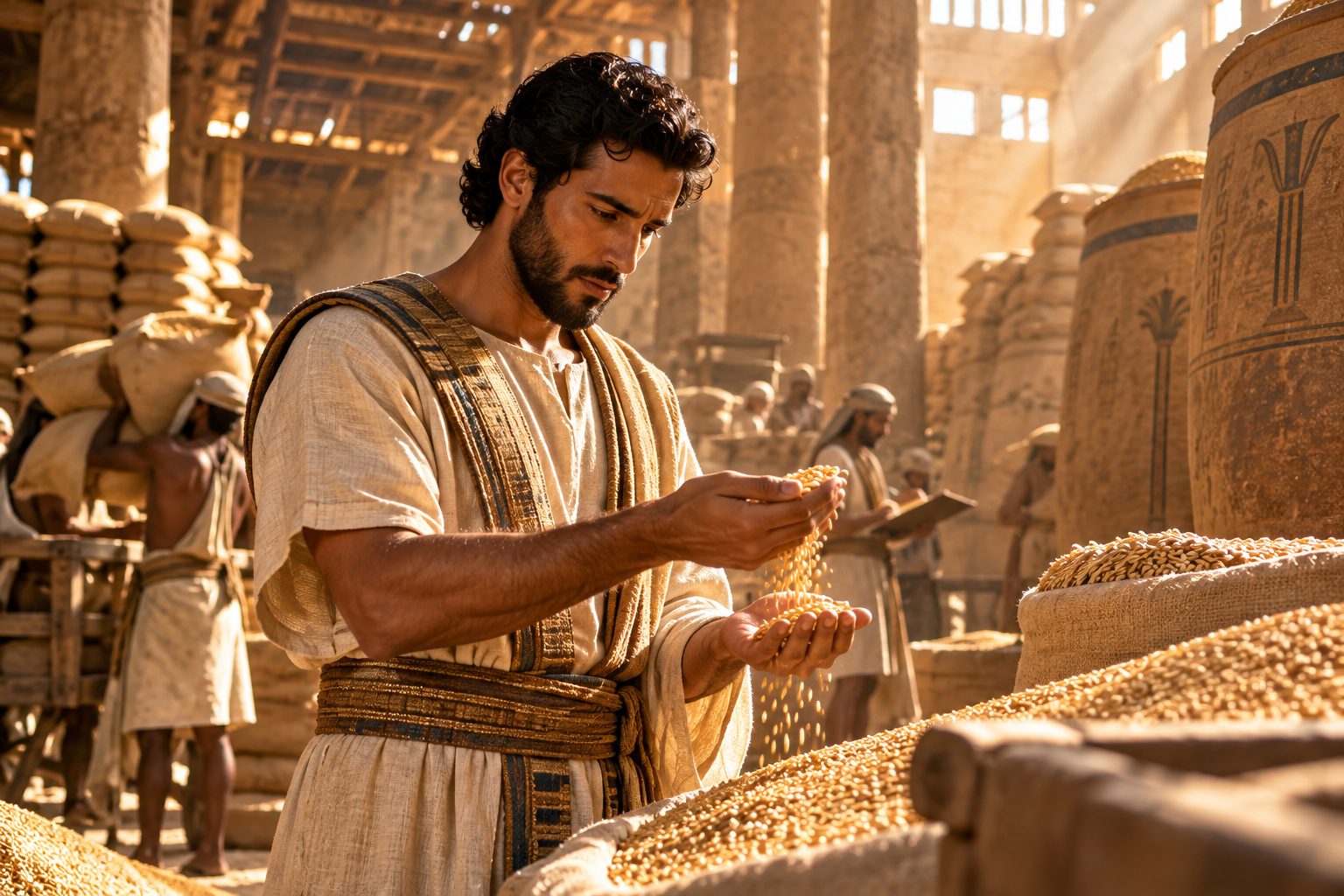
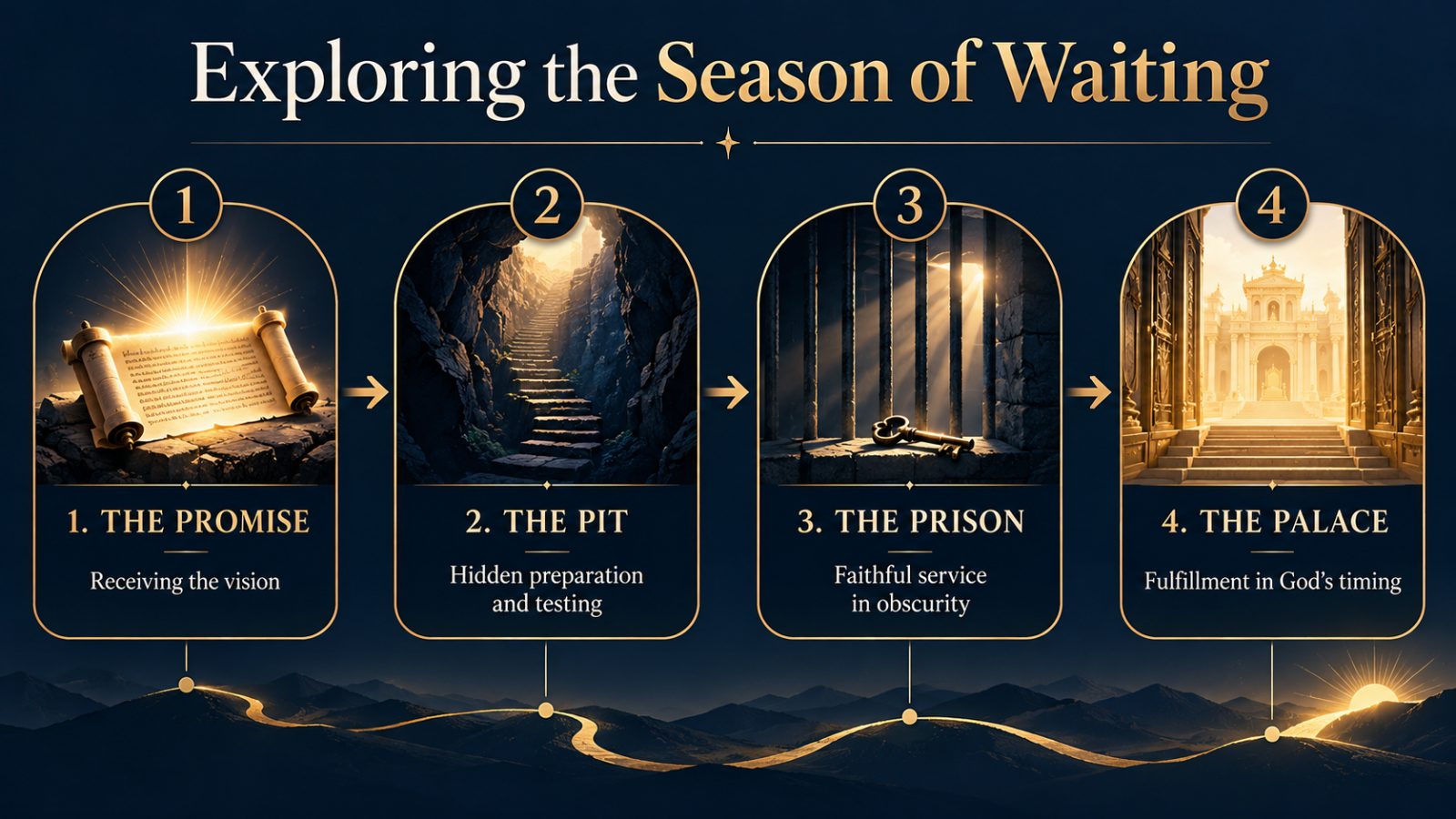
He was seventeen when he saw the sun, the moon, and eleven stars bowing down to him, yet he was thirty when he finally stood before Pharaoh.
Thirteen years passed between the divine revelation and its fulfillment, filled with pits, slavery, false accusations, and forgotten promises in a dark Egyptian dungeon.
The Hebrew Root of Waiting: Qavah and the Tension of Hope
The English word waiting sounds passive, almost as if you are sitting in a waiting room watching the clock tick by.
But the Hebrew word used throughout the Old Testament for waiting on God is qavah, and its root meaning changes everything about how we understand this season. Qavah originally referred to twisting or binding strands together into a tight, unbreakable rope.
"But they that wait upon the LORD shall renew their strength; they shall mount up with wings as eagles..." (Isaiah 40:31, KJV)
Isaiah is not talking about standing still or doing nothing while the world spins. He is talking about binding your life so tightly into God's strength that His endurance becomes your own.
Waiting is a binding process where God uses the delay to twist our weak, anxious willpower together with His unshakeable character so that we do not snap under the weight of the future He is preparing us to carry.
Why God Makes You Wait in the Dark
The hardest truth about divine waiting is that God often conceals His greatest preparations in the places that feel like punishment.
When Joseph was thrown into the pit by his brothers and later sold into Potiphar's house, he did not know it was training.
When he interpreted the dream of Pharaoh's chief butler and begged him to remember him, only to be forgotten for two full years, that silence felt entirely unjust.
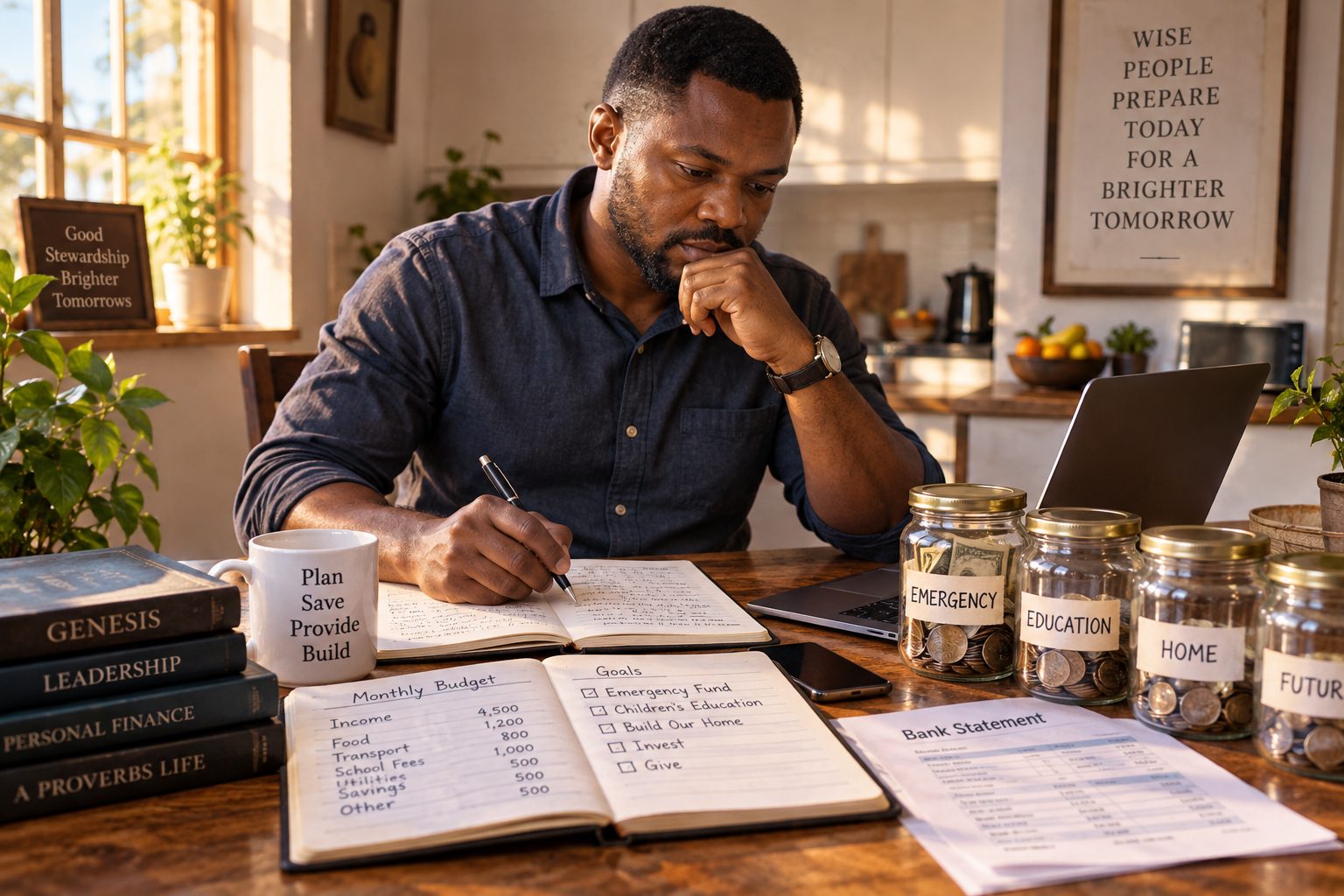
You and I know that feeling all too well. You serve faithfully, you manage your finances with integrity, and yet you remain stuck in the background while others coast past you. "Until the time that his word came: the word of the LORD tried him." (Psalm 105:19, KJV) Did you catch that? The word of the Lord tested him. The promise itself was the test.
If you want to understand how to keep going when your efforts yield no immediate results, you will find practical encouragement in Diligence in the Forgotten Place: A Genesis 39:21, 40:23 Bible Study on Faithfulness, Service and Waiting When People Forget You.
God gives you a vision of where He is taking you not to give you immediate comfort, but to anchor your soul while He burns away every trace of pride and self-reliance that would destroy you if you reached the palace too early.

The Danger of Trying to Force the Door Open
When the waiting period stretches out into years, impatience whispers a very dangerous lie that you need to take matters into your own hands.
We see this trap all through Scripture. Abraham and Sarah tried to help God fulfill His promise of a son through Hagar, and centuries of familial conflict followed.
King Saul grew tired of waiting for Samuel and offered the sacrifice himself, losing his royal dynasty in a single moment of panic.
When you force a door open before God's timing, you always end up having to maintain it with your own exhausted strength.
Joseph could have tried to escape Egypt or plotted revenge against his brothers the moment he gained minor authority in Potiphar's household. Instead, he stayed faithful in the minor details and managed the prison with the same excellence he would later use to manage an entire empire.
If you are struggling with a career setback or wondering how to handle authority when it finally comes, I share more on this in Faithful in Someone Else's House: A Bible Study on God's Presence, Stewardship and Trust.
How to Steward Your Emotions When the Answer Does Not Come
Waiting is not just a test of obedience; it is a battleground for your emotional health. Bitterness is the default reaction to unfulfilled expectations, and when people who hurt you are prospering while you sit in obscurity, resentment creeps into your prayers.
Joseph had every logical reason to be bitter after being betrayed by his brothers, falsely accused by an employer's wife, and forgotten by a rescued official.
Yet when Joseph finally named his firstborn son Manasseh, he said God had made him forget all his toil and all his father's house.
He did not mean he suffered amnesia but meant God had so thoroughly healed his emotional wounds that the past no longer dictated his present reactions.
What we go through in life you and me is for us to learn to depend on God and trust in His leading than our very own. You and i may have our plans but Gods plans for our lives are higher than ours and so are His ways different from ours.
If you are carrying deep resentment from past disappointments, read You Meant Evil, God Meant Good: A Genesis 45 and 50 Bible Study on Forgiveness, Mercy and God's Purpose After Betrayal to see how God mends a broken heart after deep betrayal.
Frequently Asked Questions
Why does God make us wait so long for answers to prayer?
God uses periods of waiting to build spiritual endurance, test our motives, and strip away self-reliance. The delay is not a denial, but a purposeful season of preparation designed to align our character with the responsibility He is bringing our way.
How can I stay faithful while waiting for a breakthrough?
You stay faithful by focusing on your immediate daily assignments rather than obsessing over the future. Treat your current, difficult season with excellence, exactly as Joseph managed Potiphar's house and the prison before stepping into leadership.
What is the difference between biblical waiting and being passive?
Biblical waiting, rooted in the Hebrew word qavah, means actively binding your life to God's strength. It involves diligent service, emotional healing, and faithful stewardship while trusting God to open doors in His perfect timing.
How do I deal with bitterness while waiting on God?
Bitterness is conquered by bringing your pain to God in prayer and allowing His grace to mend your perspective. When you recognize that God can use even evil intentions for your ultimate good, resentment loses its grip on your heart.
Where To Read Next
If this message resonated with your spirit, I want to encourage you to continue studying how God builds character through seasons of testing by exploring these related posts:
The Story of Joseph in the Bible: 10 Powerful Lessons From His Life
Faithful in Someone Else's House: A Bible Study on God's Presence, Stewardship and Trust
Found this helpful? Share it with someone who needs it.