This study follows Joseph after false accusation has taken him from Potiphar's house into prison. Genesis 39:21-40:23 shows what faithfulness looks like when the place is unfair, the work is hidden and the person you helped fails to remember you. We will watch Joseph receive responsibility, serve other prisoners, notice their sadness, point them towards God, speak truth, ask for help and then face the pain of being forgotten. The aim is to let the Word shape how we serve and wait without allowing disappointment to make our hearts careless, bitter or blind to the people around us.
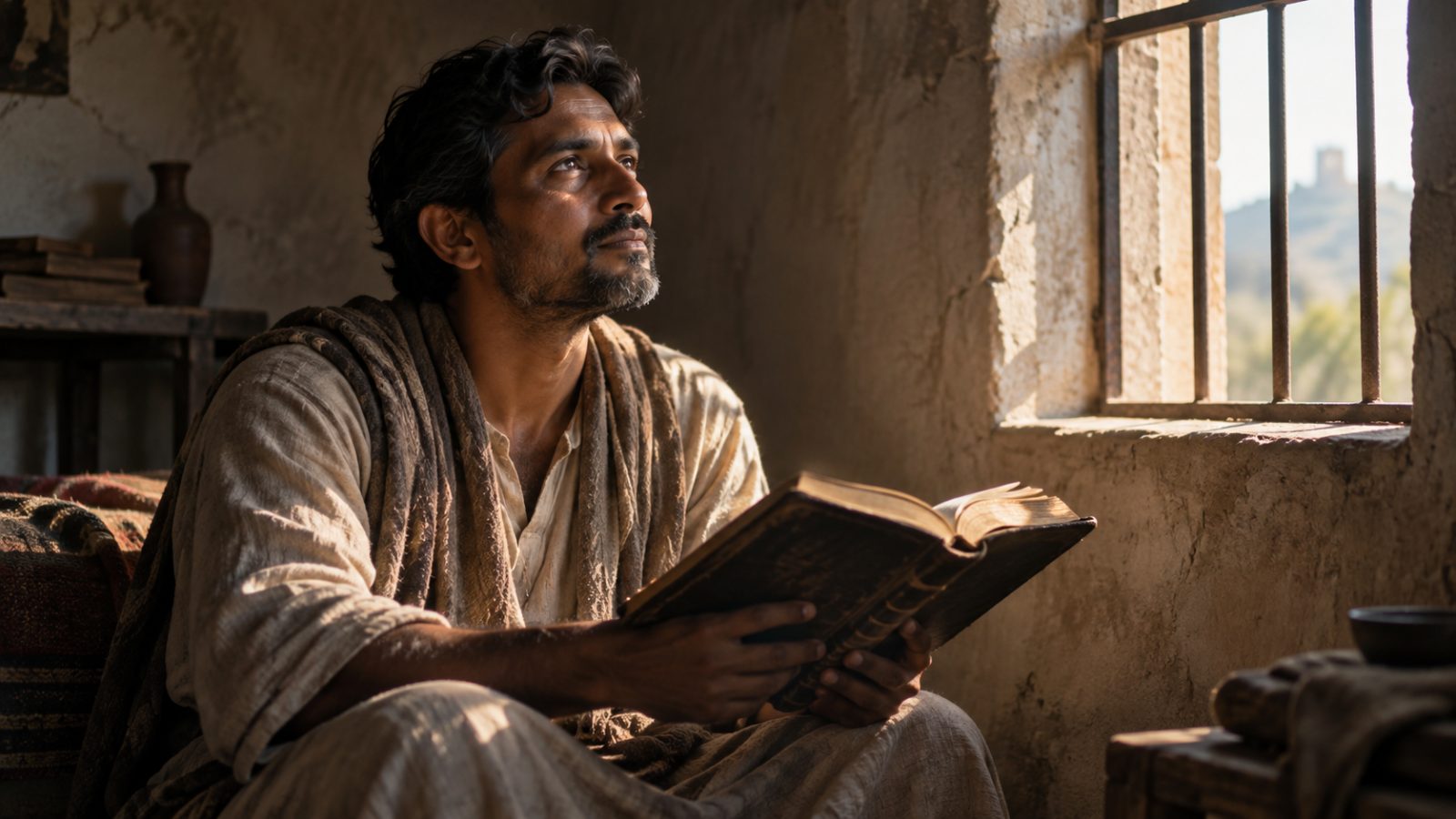
Lesson 3 ended with Joseph in prison because of a false accusation. Genesis 39:21 begins with a sentence that changes the way we read everything that follows: 'But the LORD was with Joseph.' The prison is real, the injustice is real and God's presence is also real. The chapter does not require us to pretend that confinement is comfortable before we recognise that God is present there.
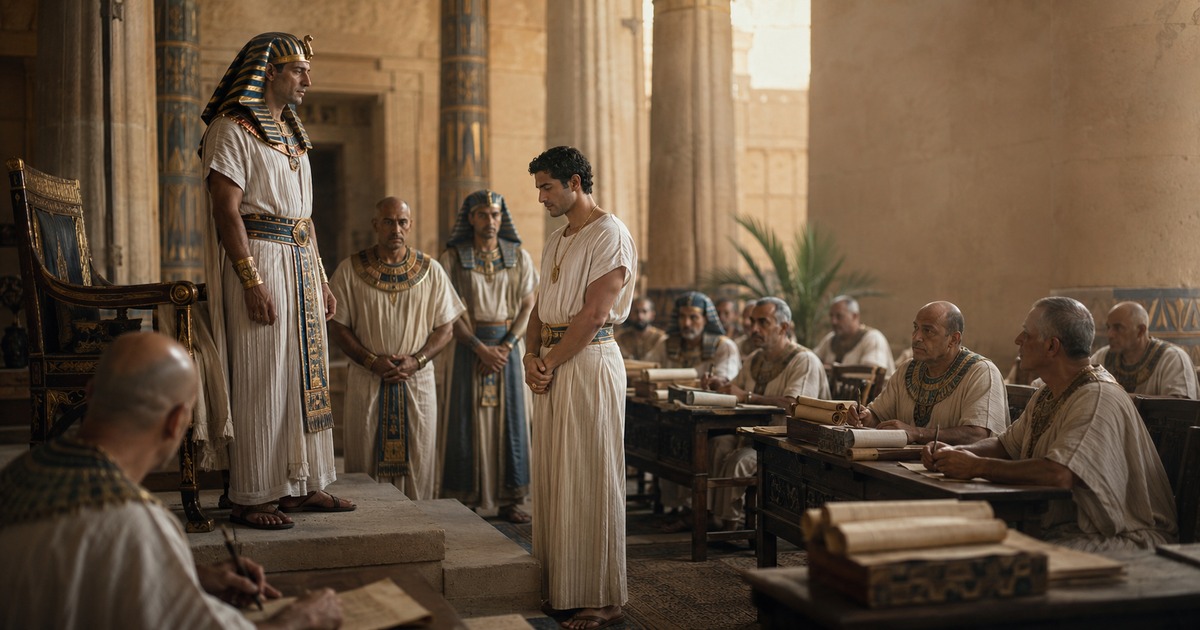
The prison in this passage holds people connected to Pharaoh's court. Joseph is still a prisoner, yet the keeper entrusts responsibility to him. When the chief butler and chief baker arrive, Joseph does not know that one of these men will later be able to mention him before Pharaoh. He simply receives the people placed in his care and serves them.
This is where diligence becomes deeply personal. It is easier to work with energy when we can see where the work is taking us. Joseph serves while his own case remains unresolved. The Word invites us to examine what disappointment is doing inside us: whether it is teaching us to depend on God and stay faithful, or whether it is slowly making us careless with the assignment and the people already in front of us.
Genesis 39:21-23 - The LORD Was With Joseph in Prison
The first truth Genesis gives us about Joseph's prison life is not the size of the prison, the length of the sentence or the mood of the keeper. It is the presence of the LORD. Verse 21 says the LORD was with Joseph, showed him mercy and gave him favour in the sight of the keeper. His circumstances have changed dramatically, but God has not disappeared from the story.
The keeper then commits the prisoners into Joseph's hand. Verse 23 repeats the reason behind what is happening: 'because the LORD was with him.' Joseph is working, and Joseph is diligent, yet the text keeps our eyes on God as the source behind the favour and prospering. That protects diligence from becoming self-glory. We work faithfully, while remembering that our life is held by God.
There is also something searching here for anyone who feels hidden. Joseph does not wait for the prison to become a palace before becoming responsible. He honours God within the place where he is. Faithfulness has value before God while the season is still hidden.
Genesis 40:1-4 - Joseph Served People While His Own Case Was Unresolved
Two officers from Pharaoh's court are placed in the same prison. Verse 4 says the captain of the guard charges Joseph with them, 'and he served them.' Joseph has his own unanswered questions, but he does not make his pain permission to neglect the people assigned to him.
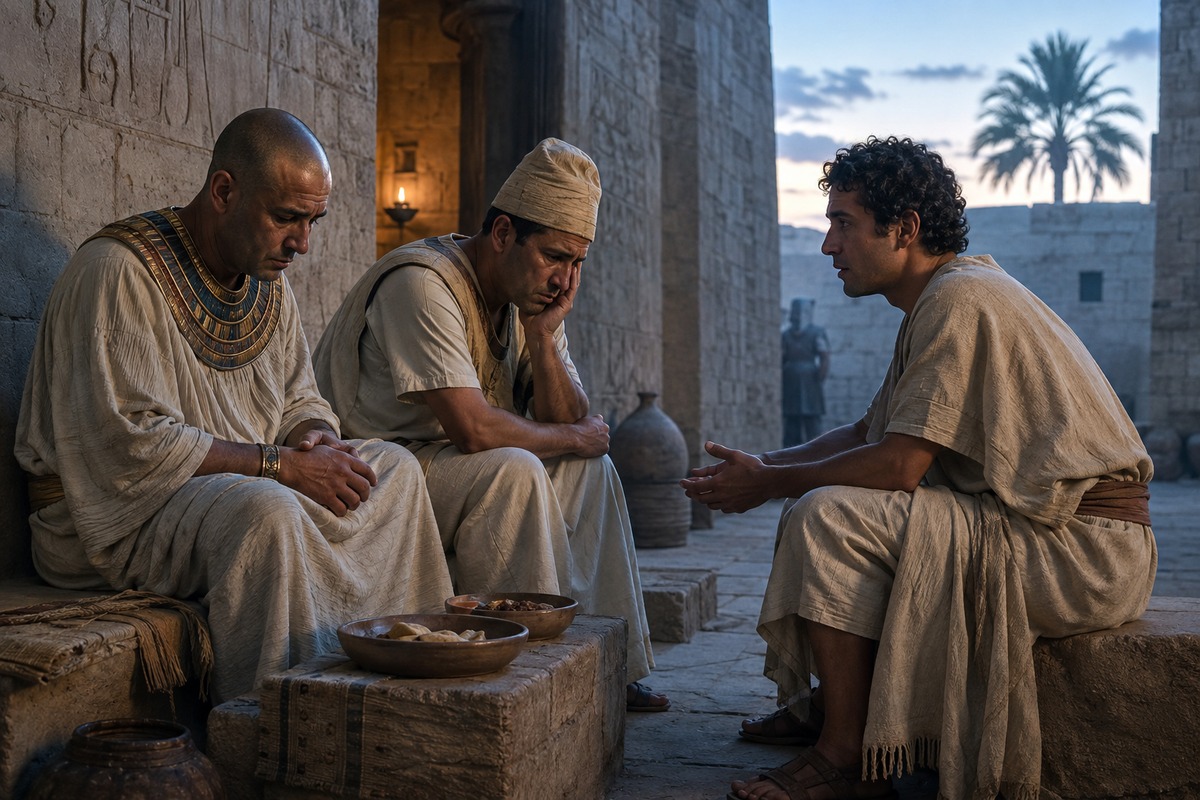
The Hebrew verb used for 'served' is sharath (שָׁרַת), a word used for ministering, serving or attending. This is more than Joseph occupying the same room. He attends to them. His service has movement in it. He is still able to give care even while he needs deliverance himself.
Pain can make the heart turn inward until nobody else's need seems important. Joseph shows another way. We can bring our own hurt honestly before God and still ask Him to keep us tender enough to serve. The person in front of us should not have to pay for what somebody else did to us.
Genesis 40:5-8 - Joseph Noticed Their Sadness and Pointed Them to God
Both men dream in the same night. In the morning Joseph looks at them and sees that they are sad. Then he asks, 'Wherefore look ye so sadly to day?' That question tells us something about the condition of his heart. Joseph has not become so consumed with his own confinement that he can no longer read another person's face.
Many acts of ministry begin this quietly. We notice that somebody is not himself. We ask a question. We listen long enough for the person to answer. Joseph's own trouble has not removed his capacity for compassion.
When they explain that they have dreamed and have no interpreter, Joseph answers, 'Do not interpretations belong to God? tell me them, I pray you.' He does not hide the ability God has placed in him, and he does not present himself as the source. He directs their attention to God before he asks them to speak. That is a healthy pattern for every gift: use it faithfully, and keep the glory with God.
Genesis 40:9-15 - Joseph Used His Gift and Asked to Be Remembered
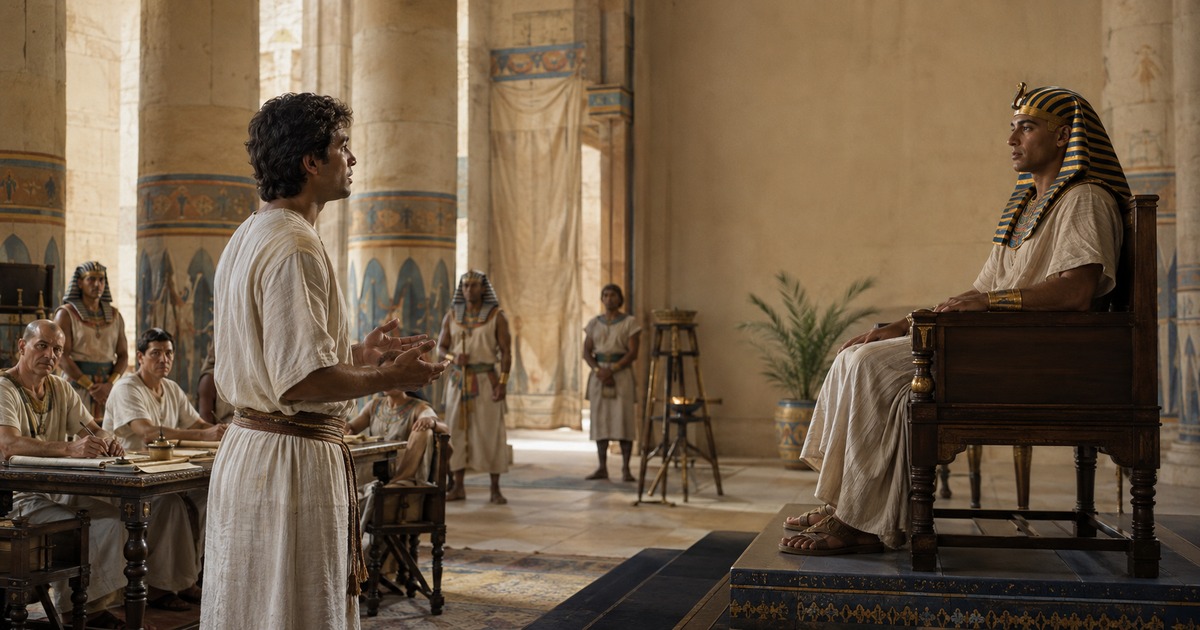
The chief butler tells his dream, and Joseph gives the interpretation: within three days Pharaoh will restore him to his place. Joseph then makes a direct request. He asks the man to think on him when it is well with him, show kindness, mention him to Pharaoh and help bring him out of the house.
Joseph's request is important because trust in God and honest action are not enemies. He can acknowledge that interpretations belong to God and still ask a person with access to Pharaoh for help. He also tells the truth about his situation: he was stolen from the land of the Hebrews and has done nothing deserving the dungeon.
There are seasons when prayer should be accompanied by a legitimate application, appeal, conversation, document or request. Asking for help does not remove God from the process. Joseph does not pretend that injustice is acceptable, and he does not act as though wanting freedom means he has failed to trust God.
Genesis 40:16-19 - Joseph Spoke the Difficult Truth as Well
The chief baker hears the favourable interpretation given to the butler and tells his own dream. Joseph's interpretation is very different: within three days Pharaoh will execute him. The message is difficult, but Joseph does not change it in order to remain liked by the man standing before him.
Faithful service is not flattery. There are times when love requires us to speak truth with humility and care, even when the truth is uncomfortable. Joseph has already declared that interpretations belong to God; therefore the message cannot become a tool for winning approval. Our own words should carry the same seriousness. We should be slow to claim God's authority for our opinions and faithful to what His written Word actually says.
Genesis 40:20-23 - The Interpretation Came to Pass, and Joseph Was Forgotten

On Pharaoh's birthday the two outcomes happen as Joseph had said. The chief butler is restored to his place and again gives the cup into Pharaoh's hand. The chief baker is executed. The final verse then becomes painfully quiet: 'Yet did not the chief butler remember Joseph, but forgat him.'
Joseph had served this man, listened to him, given him good news and asked clearly to be remembered. The cupbearer returns to the very place where he could speak Joseph's name, yet he forgets him. Anyone who has helped someone and later been overlooked can feel the weight of that ending.
But Genesis 40:23 must be read with Genesis 39:21 still in our hearts. The LORD was with Joseph before the cupbearer arrived. The cupbearer's memory was never the foundation of God's presence. Human forgetfulness can delay the help we expected from a person, wound the heart and force us to wait longer than we wanted, but it cannot make God absent. Genesis 41 will later show the cupbearer remembering Joseph when Pharaoh's dreams create the moment for his name to be spoken.
How Can You Apply This Passage
Start with the responsibility already in your hands. A hidden season can make us despise ordinary work because it does not look like the future we desire. Joseph shows us how to bring attention and care to today's assignment. Ask yourself what faithfulness looks like in the work, family, ministry, study or business responsibility that is already before you.
Then look at the people around you. Joseph's question in Genesis 40:7 came because he noticed a change in their faces. Somebody near you may need a conversation more than they need a speech. Slow down enough to see people, listen without making every story about your own difficulty and allow compassion to remain alive in you.
Use your gift without making a platform the condition for obedience. Joseph interprets dreams in prison before he ever stands before Pharaoh. If God has given you capacity to teach, organise, build, encourage, create, lead, solve problems or serve, practise it with humility in the place where you are. Keep God at the centre of the gift.
Ask for help when there is a legitimate path to help. Joseph's request to the cupbearer was specific. He wanted to be remembered and mentioned to Pharaoh. There is no shame in making an honest request, submitting an application, seeking counsel, documenting an injustice or asking somebody with appropriate influence to speak on your behalf.
Genesis 39:21-40:23 shows Joseph serving faithfully in the place where his freedom has been taken from him. The LORD is with him and shows him mercy. Responsibility is placed into his hands. When Pharaoh's officers are brought into the prison, Joseph serves them, notices their sadness and uses his gift while directing their attention to God.
Joseph also shows us that faith is honest. He asks to be remembered and tells the cupbearer that he has done nothing deserving the dungeon. Yet the chapter closes with the cupbearer forgetting him. That ending teaches us to place the deepest weight of our lives on God rather than on human memory. We can serve, speak, ask, work and remain faithful, while trusting God with the part we cannot control.
The gift Joseph keeps using in obscurity later meets a national problem, but usefulness will require more than interpretation. That transition is studied in The Gift That Makes Room: A Genesis 41:1–36 Bible Study on Preparation, Humility and Turning God-Given Understanding Into Wise Action.
Where to Read Next
Facing the Past Bible Study on Forgiveness, Discernment, Rebuilding Trust and Recognising Genuine Change — Worth reading next.
You Meant Evil, God Meant Good: A Genesis 45 and 50 Bible Study on Forgiveness, Mercy and God's Purpose After Betrayal — Worth reading next.
Legacy and Blessing: A Genesis 48 To 50 Bible Study on Generational Faith, God's Promise and Finishing Well — Worth reading next.
The Story of Joseph in the Bible: 10 Powerful Lessons From His Life
Further Reading
Found this helpful? Share it with someone who needs it.