Joseph's story closes very differently from the way many people might expect a success story to end. Genesis does not leave us staring at his title, his administration or the wealth of Egypt. The final chapters bring us into family rooms, blessing, memory, burial instructions and a promise that reaches beyond Joseph's own lifetime.
In Genesis 48 Joseph brings Ephraim and Manasseh to Jacob. In Genesis 49 Jacob speaks over Joseph as a fruitful bough whose strength has been sustained by the mighty God of Jacob. In Genesis 50 Joseph tells his brothers twice that God will surely visit them, then makes them swear to carry his bones when God brings Israel out of Egypt. His final words are full of the future faithfulness of God.
This study asks a serious question: what are we leaving behind in people, not only in possessions? We will study blessing, generational faith, fruitfulness after suffering, the promise of God and the kind of life that can finish with faith still speaking.
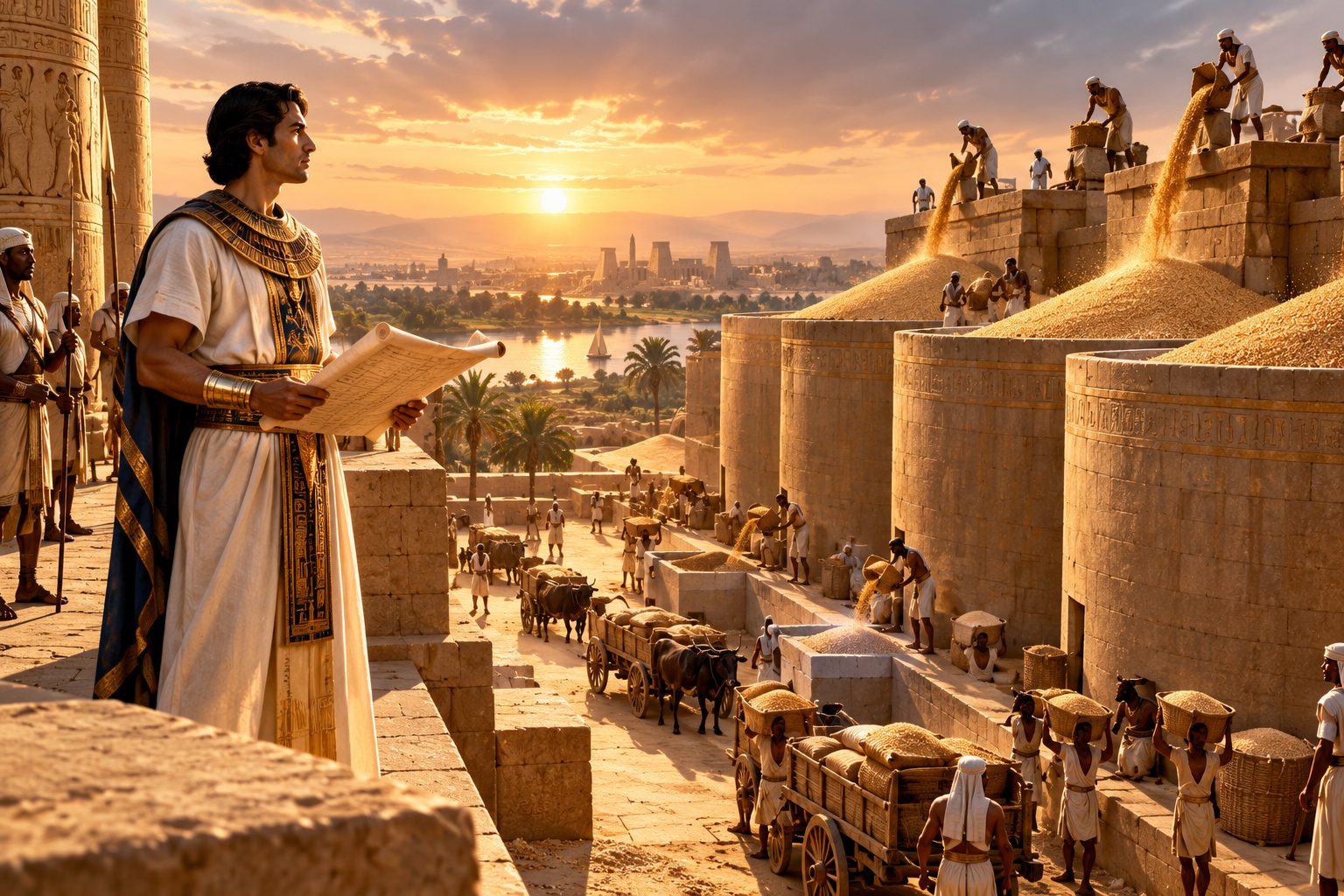
A person's final season can expose what has truly become important to them. Joseph has already carried authority, administered grain during famine, preserved his family and lived through a reconciliation that once seemed impossible. Yet when Genesis closes his story, he is not trying to make his family admire Egypt or preserve his personal greatness.
What stands out to me as I read these chapters is how much attention moves towards people who will live after Joseph. Ephraim and Manasseh are brought into Jacob's blessing. Joseph lives to see later generations. Then, at the edge of death, he speaks about what God will do after Joseph himself is gone.
This is where legacy becomes more than a name people remember. A godly legacy passes faith, truth, responsibility and confidence in God's promise forward. Money can be inherited and wasted. A title can disappear. A building can change owners. But a life formed by the Word of God can place convictions into people who continue walking with God when the original person is no longer in the room.
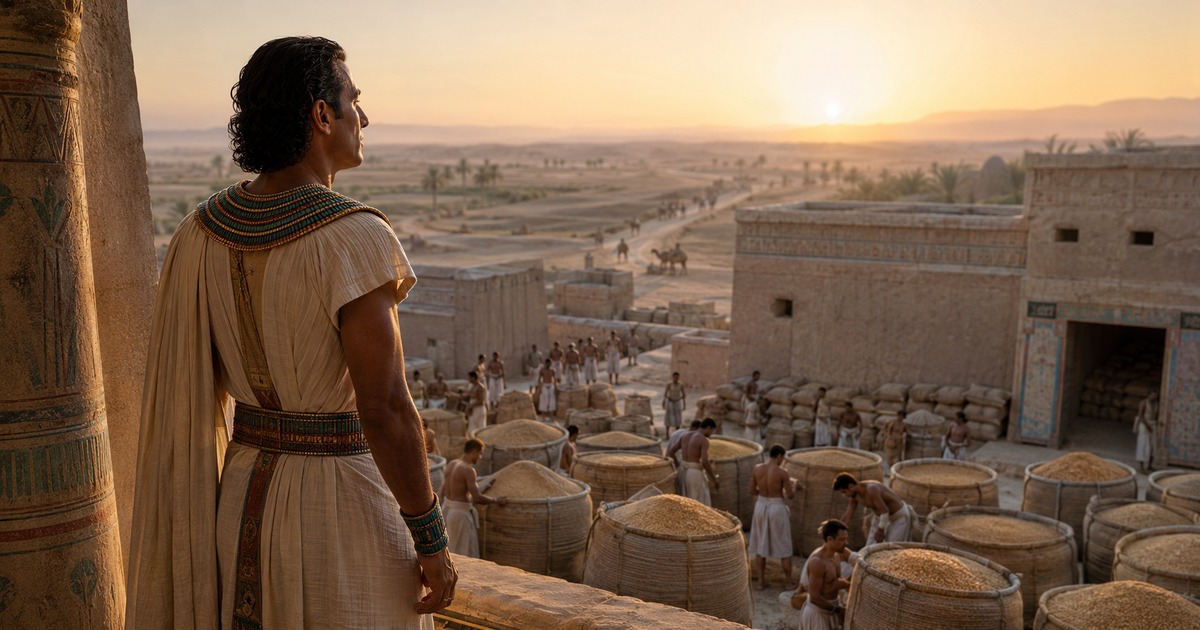
Joseph's ending also keeps success in its proper place. Egypt had been a place of preservation and responsibility, but Joseph's hope was not trapped inside the place where he had prospered. He could be grateful for Egypt and still believe God's word concerning the land promised to Abraham, Isaac and Jacob.
Genesis 48:8-16 Bring the Next Generation Near
Joseph does something deliberate: he brings his sons to Jacob. Ephraim and Manasseh were born in Egypt, but Joseph does not let their Egyptian surroundings become the only story shaping them. He brings them close to their grandfather, and Jacob speaks of Abraham, Isaac and the God who had fed him all his life.
The next generation can enjoy fruit from prayers and sacrifices they never personally saw. That is why faith should be explained, taught, demonstrated and prayed over. We should tell our children and those we mentor what God has done, why obedience matters, what the Word of God has taught us and which convictions must not be traded for convenience.
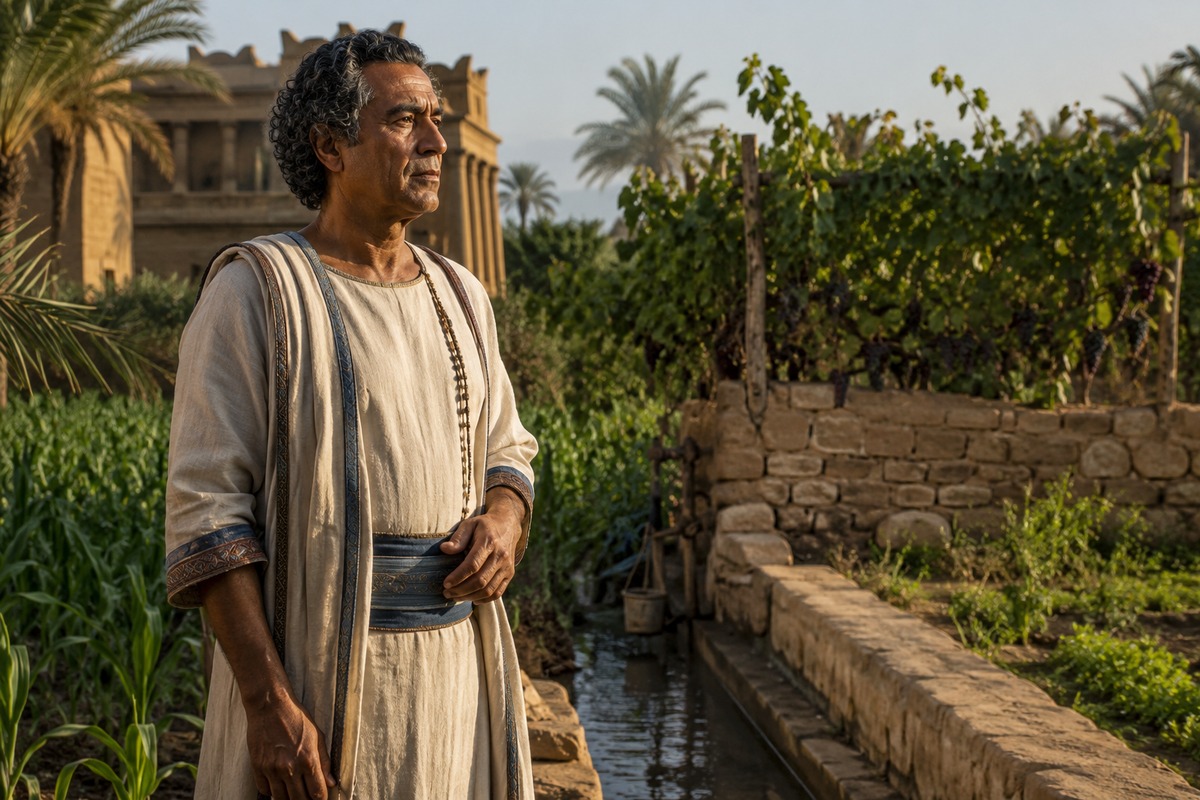
Joseph had given his sons an earthly home in Egypt, but in Genesis 48 he also brings them into the family's covenant memory. That is a serious picture for parents, pastors, mentors and leaders. Provision matters, education matters and opportunity matters, but we should not give people every advantage while leaving them strangers to the faith that carried us.
Genesis 48:17-21 Blessing Does Not Belong to Human Order Alone
Joseph expects Manasseh, the firstborn, to receive the right hand of Jacob. When Jacob crosses his hands, Joseph is displeased and tries to correct him. Jacob answers, 'I know it, my son, I know it.' The scene reminds us that Joseph, even after years of walking with God, can still meet a moment that does not follow the order he expected.
This is useful when we think about what we pass on. We can prepare people, teach them, pray for them and make responsible plans, but we are still dealing with lives that belong before God. Legacy is not control from beyond the grave. Faithful preparation leaves room for God to lead people in ways we did not script.
Jacob's words in verse 21 bring the focus back to God: 'God shall be with you, and bring you again unto the land of your fathers.' The ageing patriarch does not promise his own continued presence. He points them to the presence and faithfulness of God.
Genesis 49:22-24 Fruitfulness and Opposition Can Occupy the Same Story
Jacob calls Joseph 'a fruitful bough by a well' whose branches run over the wall. In the very next verse he remembers archers who grieved him, shot at him and hated him. The blessing does not erase Joseph's suffering; it shows fruitfulness in a life that really knew opposition.
That matters when we think about what makes a testimony strong. The fruit is not proof that the arrows never came. Joseph's life carries both. He was hated and he remained fruitful. He was pressed and his bow remained in strength. The text then tells us where that strength ultimately came from: 'the hands of the mighty God of Jacob.'
We should work, learn, plan and carry responsibility seriously, just as Joseph did throughout his life. Yet a mature believer does not look back and worship personal discipline as though strength came from self alone. Skill mattered, character mattered and wise administration mattered, but Genesis 49 directs the glory to God who sustained Joseph.
Genesis 50:22-23 Joseph Lives Long Enough to See Generations
Genesis 50 tells us that Joseph lived one hundred and ten years and saw Ephraim's children to the third generation. The young man whose family once appeared torn apart now sits inside a family that has multiplied around him. The closing chapter gives us this quiet picture before recording his final words.
There is something important here for people who spend much of life building, working and solving problems. The people close to us should not receive only what remains after our public responsibilities have taken everything else. Joseph's final chapter has room for children, grandchildren, family memory and words about God.
Our legacy is already being written in ordinary contact. How we speak at home, how we handle money, how we apologise, whether our promises can be trusted, how we respond under pressure and whether people see us obey the Word of God are all teaching something. We do not have to wait until old age to begin passing faith forward.
Genesis 50:24-25 'God Will Surely Visit You'
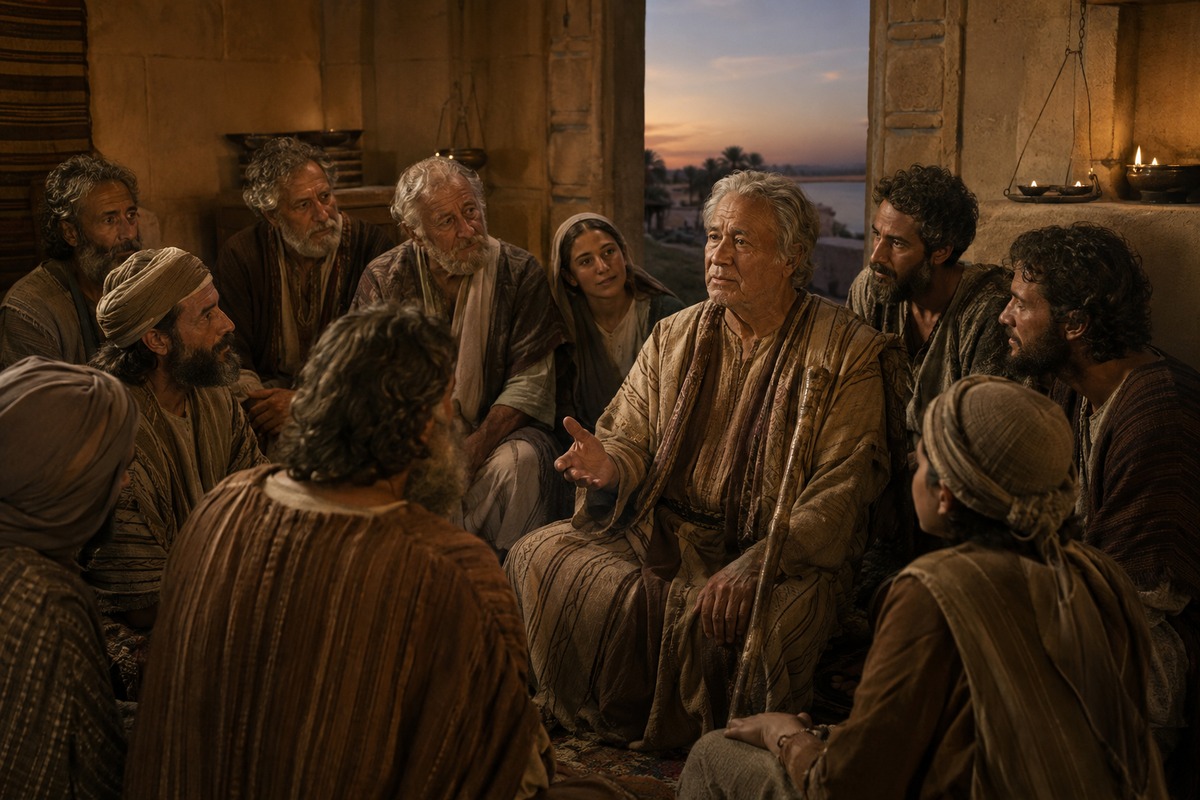
Joseph knows he is dying, yet his final message does not make himself the centre. He says, 'God will surely visit you.' Then he repeats it and makes the children of Israel swear that when that day comes, they will carry his bones from Egypt.
Egypt had been the place where Joseph rose to authority, married, raised children and preserved lives through famine. He had every reason to remember what God had done there. But he did not confuse a place of present provision with the whole promise of God. His confidence reached back to what God had sworn to Abraham, Isaac and Jacob and forward to a generation that would see Israel brought out.
This is a powerful test of legacy. Are we teaching people to need our presence, or are we teaching them to trust God? Joseph leaves an instruction that only makes sense if God remains faithful after Joseph dies. His bones become connected to a promise he expects later generations to carry.
The Coffin in Egypt Is Not the End of the Promise
Genesis ends with Joseph in a coffin in Egypt. If we looked only at that final physical image, we might think the story had become still. But the words immediately before it are moving forward: God will visit; God will bring His people out; Joseph's bones will be carried from there.
Exodus 13:19 records Moses taking the bones of Joseph when Israel left Egypt. Joshua 24:32 later records their burial at Shechem. The instruction Joseph gave at the end of Genesis travelled through generations. His family had to remember both the promise and the responsibility attached to it.
This shows us something practical about preparation. Faith can be spoken, but responsibility also needs to be entrusted. If something matters for those who come after us, we should teach it clearly, write it down where appropriate, prepare people to carry it and avoid making ourselves the only person who knows how everything works.
Tell the story of God's faithfulness. If younger believers, children or people you mentor know the results but not the journey, begin explaining what God taught you, which Scriptures strengthened you and where obedience required patience.
Audit what people are inheriting from your character. Ask what those closest to you regularly receive: peace or pressure, honesty or excuses, generosity or fear, prayer or panic, faithful work or unfinished promises. Legacy is being formed long before possessions are distributed.
Prepare practical responsibility. Teach another trustworthy person how to carry work that currently depends only on you. This may concern family stewardship, ministry service, a business process, documents, budgeting or a responsibility others will eventually need to understand.
Bless people deliberately. Pray over your children, family, congregation, team or those you mentor. Speak truth that strengthens obedience, character and faith rather than flattering them or making promises God has not told you to make.
Genesis 48 brings the next generation near. Joseph places Ephraim and Manasseh before Jacob, and the blessing is filled with the memory of God's faithfulness to Abraham, Isaac and Jacob. Genesis 49 then speaks of Joseph as fruitful even though he had been grieved and hated, while naming the mighty God of Jacob as the One who made his hands strong.
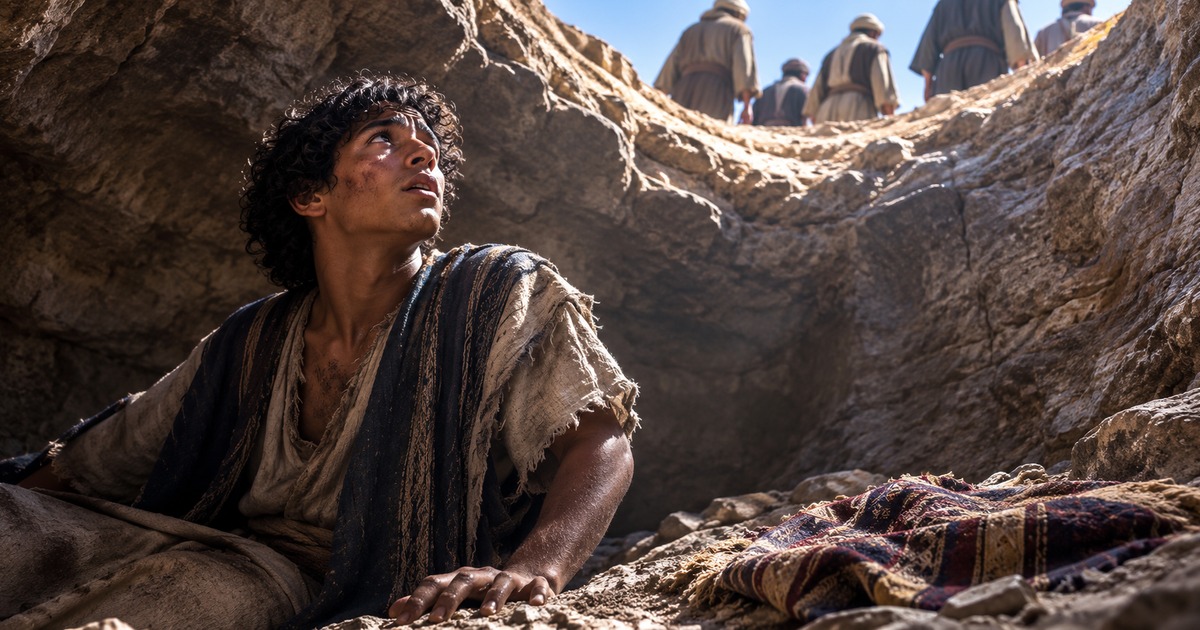
Joseph's final faith also sends me back to the beginning, because the dreamer in the pit could not yet see the generations that would surround his last days. Begin the journey again with Joseph the Dreamer and the Pit: A Genesis 37 Bible Study on Envy, Familiarity, Discernment and What God Has Shown You.
Where to Read Next
Found this helpful? Share it with someone who needs it.