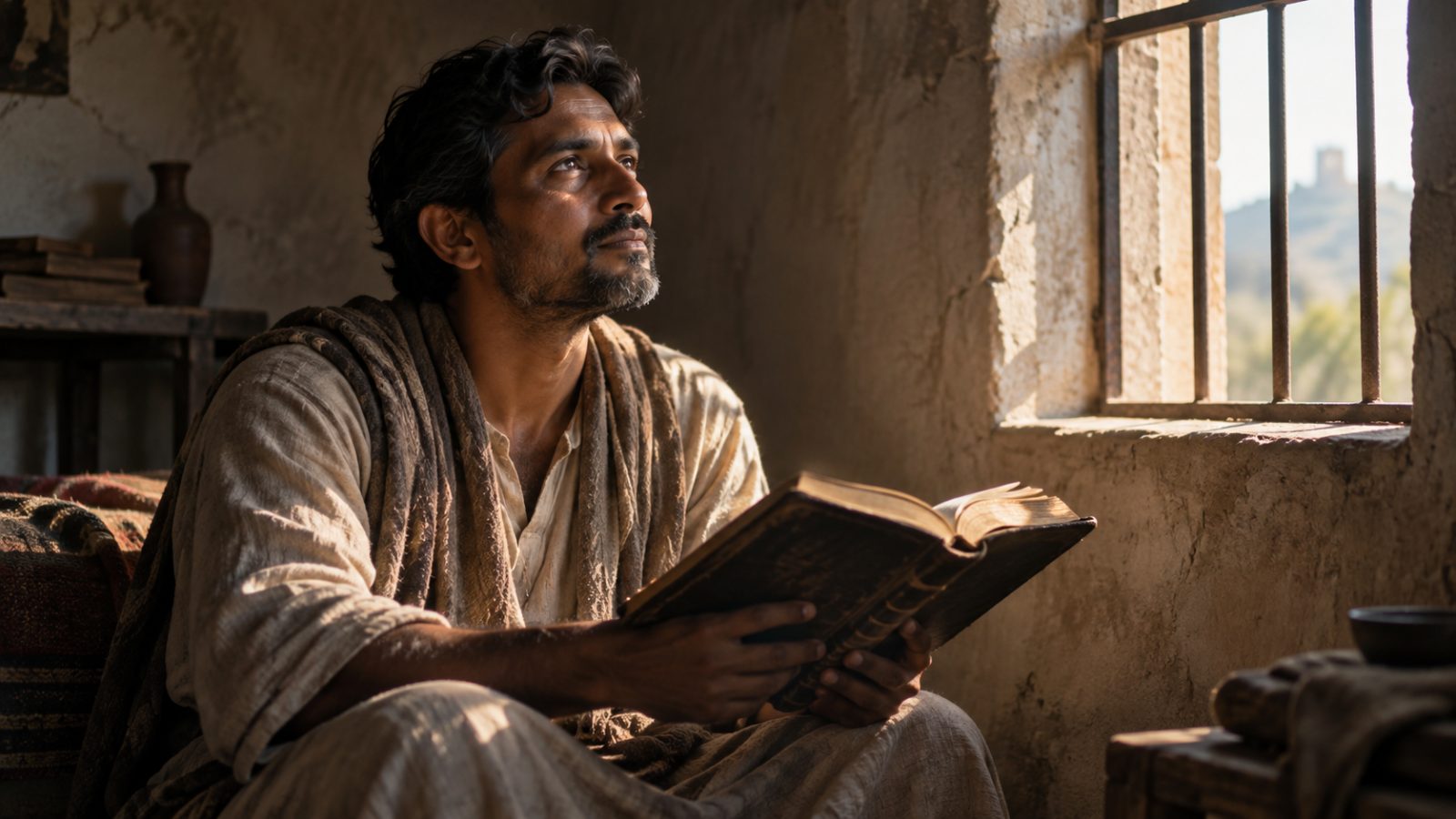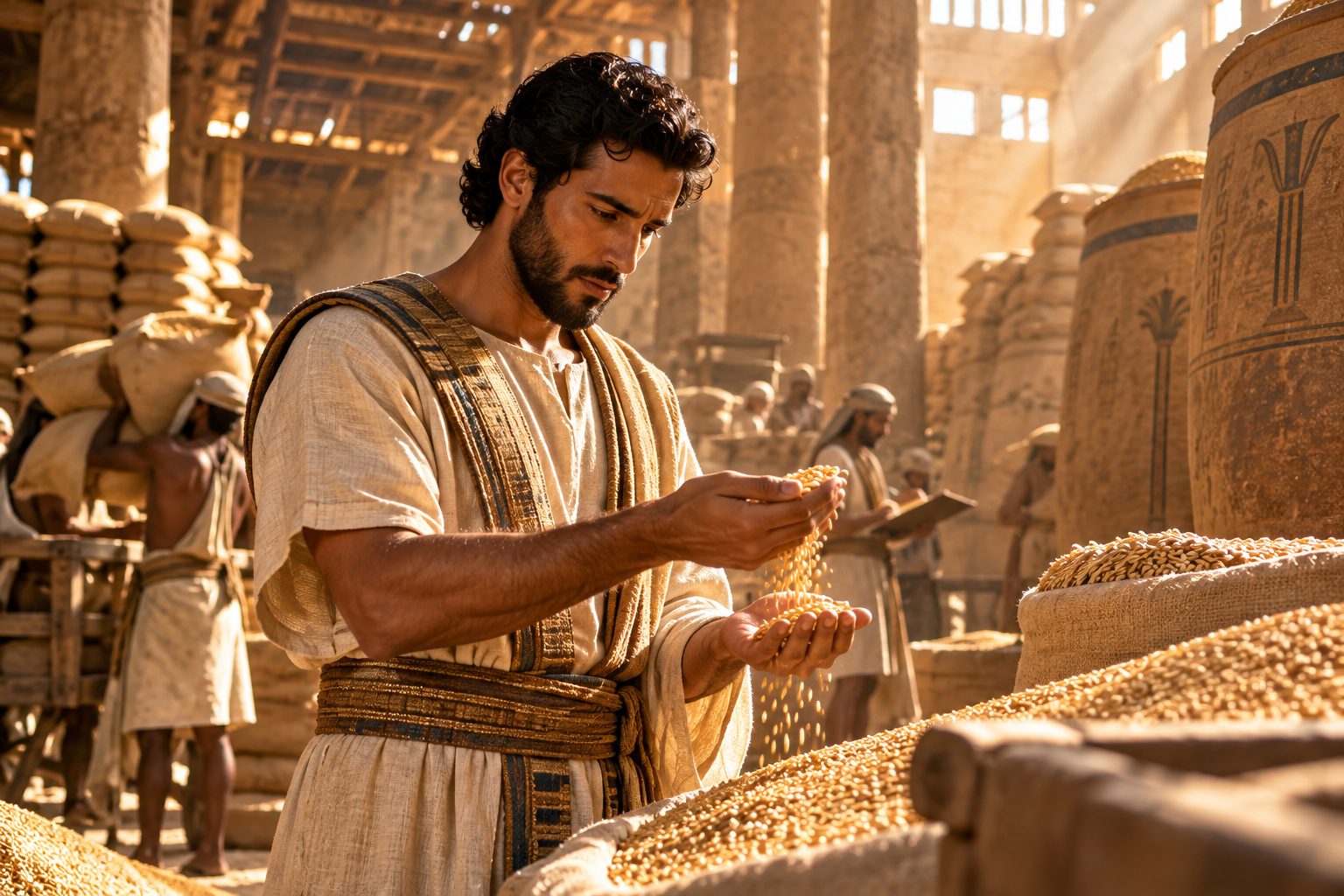
Genesis 45 brings the hidden identity of Joseph into the open. The brother who was sold is now the governor who can preserve the very family that wounded him. Genesis 50 later returns to the same relationship after Jacob dies and the brothers fear that Joseph may finally repay them. In both moments Joseph speaks from a life that has learnt to see human actions and God's hand without confusing the two.
This study follows those verses slowly. We will observe how Joseph tells the truth about what his brothers did, how he sees God's purpose across the years, how mercy changes the use of power, and how forgiveness becomes visible in the way he comforts and provides. The goal is to let the Word of God search our own hearts when betrayal, old pain and the temptation to repay evil meet us.
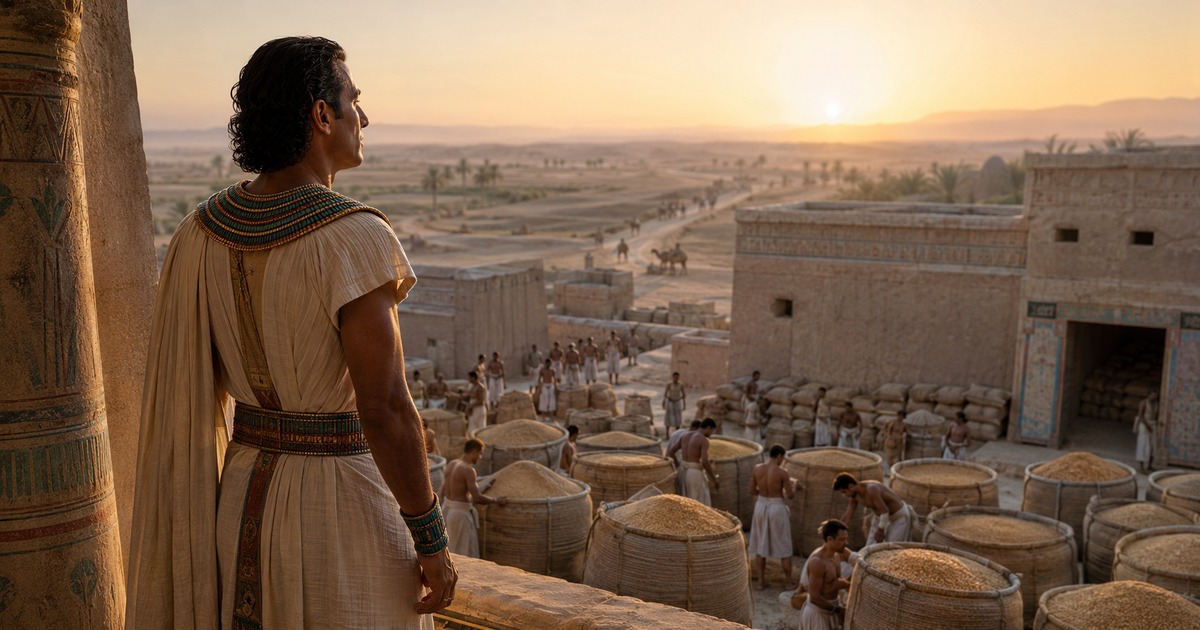
There are moments when a person finally has the power to answer someone who once had power over them. That moment can reveal what years of pain have been forming inside the heart. Joseph reaches that place in Genesis 45. His brothers stand before him afraid, while he holds authority, food, knowledge and the ability to decide what happens next.
What strikes me as I read these verses is that Joseph speaks truth without allowing the truth of the injury to become the whole truth of his life. He can say, 'whom ye sold into Egypt,' and in the next breath say, 'God did send me before you to preserve life.' He remembers what men did and he also sees what God has done.
That is an important place for us to study slowly. People can intend harm. Jealousy, betrayal, rejection and selfish decisions can be real. Yet the child of God is never required to hand the final meaning of life to the intention of another person. The Lord remains God over the story, and His purpose can keep moving where people thought they had already decided the outcome.
Genesis 50 takes the lesson even deeper because the brothers' fear returns after Jacob dies. They wonder whether Joseph's kindness was only temporary. Joseph's answer shows the condition of his heart after many more years have passed. He still refuses revenge, still names the evil, still sees God's good purpose and still chooses nourishment and comfort.
Genesis 45:1-3 - Joseph Makes Himself Known
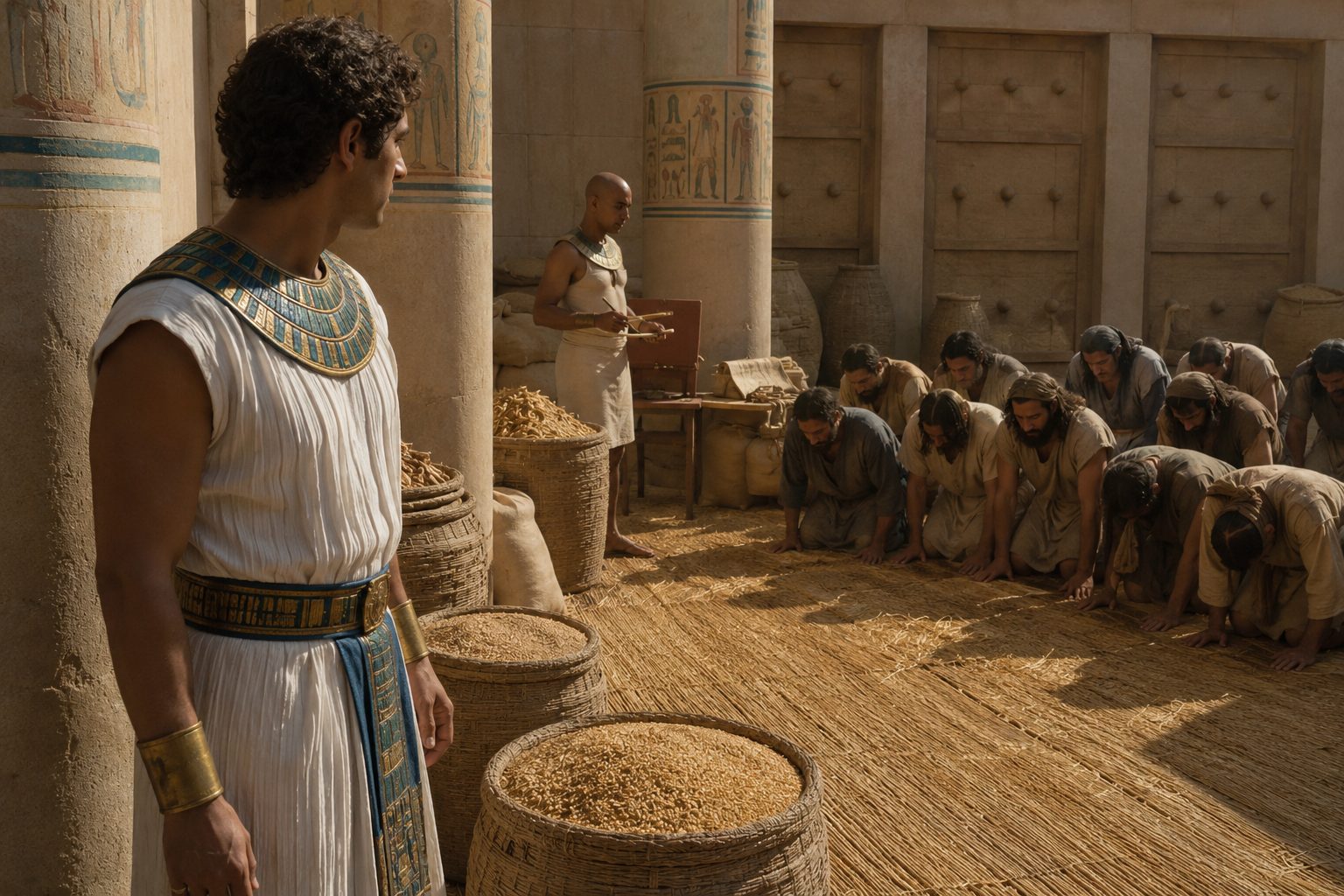
Joseph can no longer restrain himself. He sends the attendants away, weeps aloud and says the words his brothers never expected to hear: 'I am Joseph.' The governor before them is the brother they sold. The text says they are troubled at his presence, and that reaction makes sense. The man with authority over their future knows their past because he lived it.
Joseph's tears are important. Strength, leadership and God's favour have not removed his humanity. The reunion reaches a place inside him that administration and years in Egypt could never erase. Scripture gives room for a faithful person to feel deeply and still respond under God.
When old pain comes into the room, we can bring the emotion before God rather than pretending it is absent. Tears, grief and memory can sit beneath the authority of the Holy Spirit. Joseph's emotion is real, yet emotion does not become revenge.
Genesis 45:4-8 - 'Whom Ye Sold' and 'God Did Send Me'
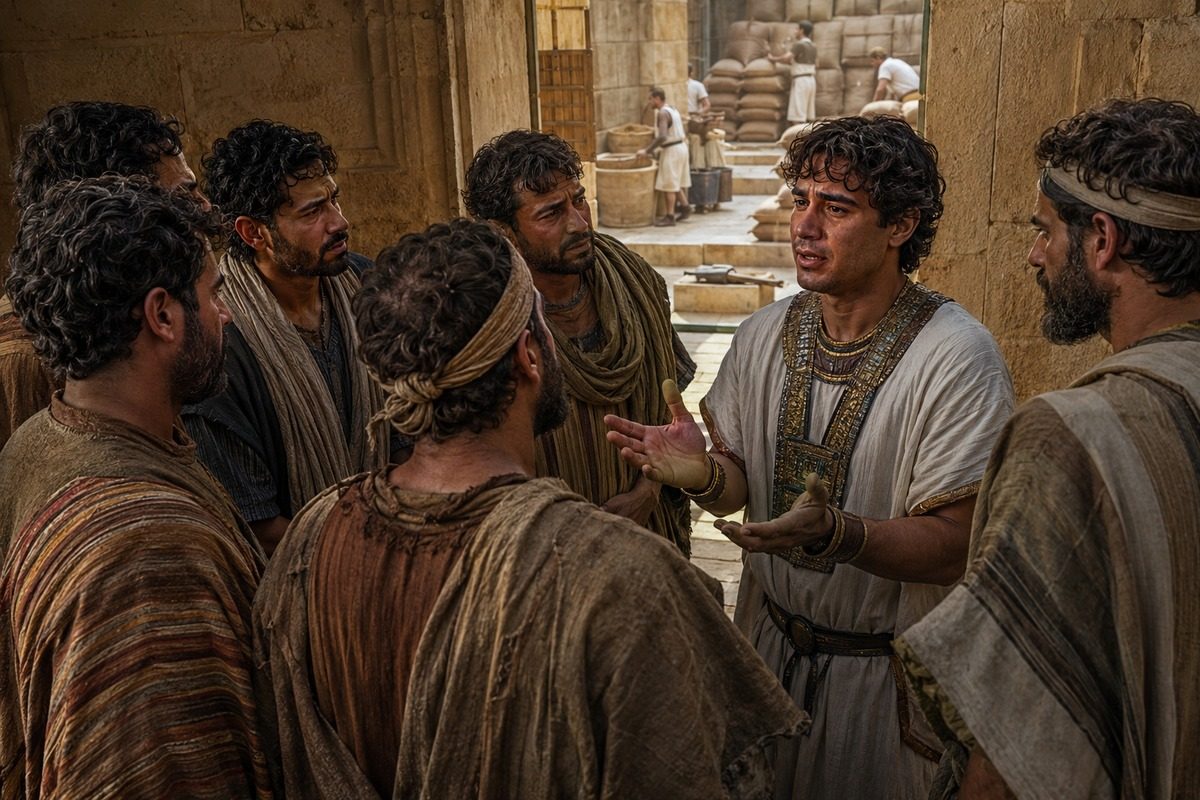
Joseph asks his brothers to come near. Then he identifies himself with the wound plainly: 'I am Joseph your brother, whom ye sold into Egypt.' He does not speak as though the pit and the sale were imagination. The men standing before him made a real choice, and Joseph can name it without being ruled by it.
Then he says, 'God did send me before you to preserve life.' Verse 7 repeats that God sent him ahead, and verse 8 speaks again about God's hand in his position in Egypt. Joseph holds human responsibility and divine purpose in the same testimony. What people chose from one heart, God carried towards a purpose they could neither see nor control.
This changes the question we ask when another person's action has wounded us. We can ask more than, 'What did they do to me?' We can also ask, 'What is God doing in me, around me and through my life now?' The second question does not erase the first. It keeps the first from becoming the final voice.
Joseph can now see that his position is serving life. The years were painful, but pain did not cancel purpose. The very man who was separated from his family has become the one through whom food, protection and a future are being opened to that family.
Genesis 45:9-15 - Mercy Moves Towards Nearness and Provision
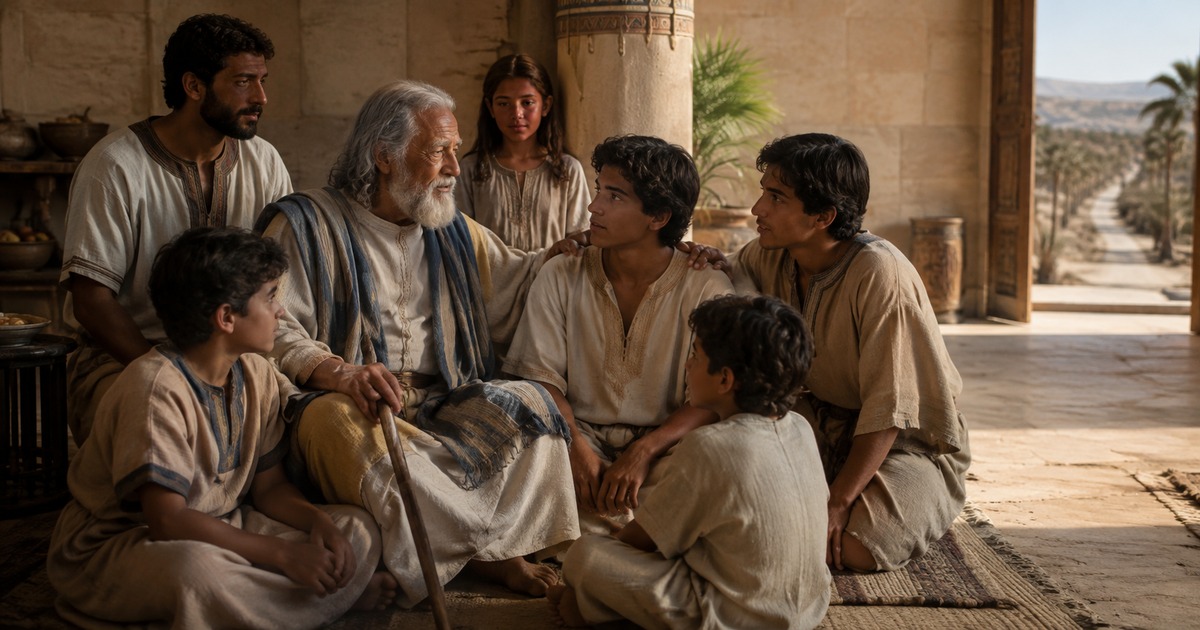
Joseph immediately begins thinking about his father and the years of famine still ahead. He tells the brothers to bring Jacob and the household to Egypt. He promises, 'there will I nourish thee.' His response is more than the absence of revenge. Mercy begins to shape what he does with the resources and authority already in his hands.
Then Joseph falls on Benjamin's neck and weeps, kisses his brothers and weeps upon them. Verse 15 says that after this his brothers talked with him. The conversation that could not happen in verse 3 begins after Joseph has drawn them near and made mercy visible.
Forgiveness in the heart changes our use of power. We stop asking how our strength can make another person feel the pain they once caused us. We begin asking how our obedience can honour God now. Sometimes that obedience will involve practical mercy. Sometimes wisdom will require careful boundaries. In every case the heart is brought out from under the rule of revenge.
Genesis 50:15-17 - The Brothers' Fear Returns
Years later Jacob dies, and the brothers become afraid again. They wonder whether Joseph will now hate them and repay all the evil they did. Their fear shows how deeply the old sin still sits in their thinking. They have lived under Joseph's provision, yet they still imagine that revenge may be waiting for the right moment.
Their message asks Joseph for forgiveness and names both trespass and sin. When Joseph hears it, he weeps. Once again tears appear in a scene where he has every opportunity to exercise power. He is not emotionally indifferent to the history, but his response has been settled before God.
Genesis 50:18-21 - Joseph Refuses Revenge and Speaks God's Purpose
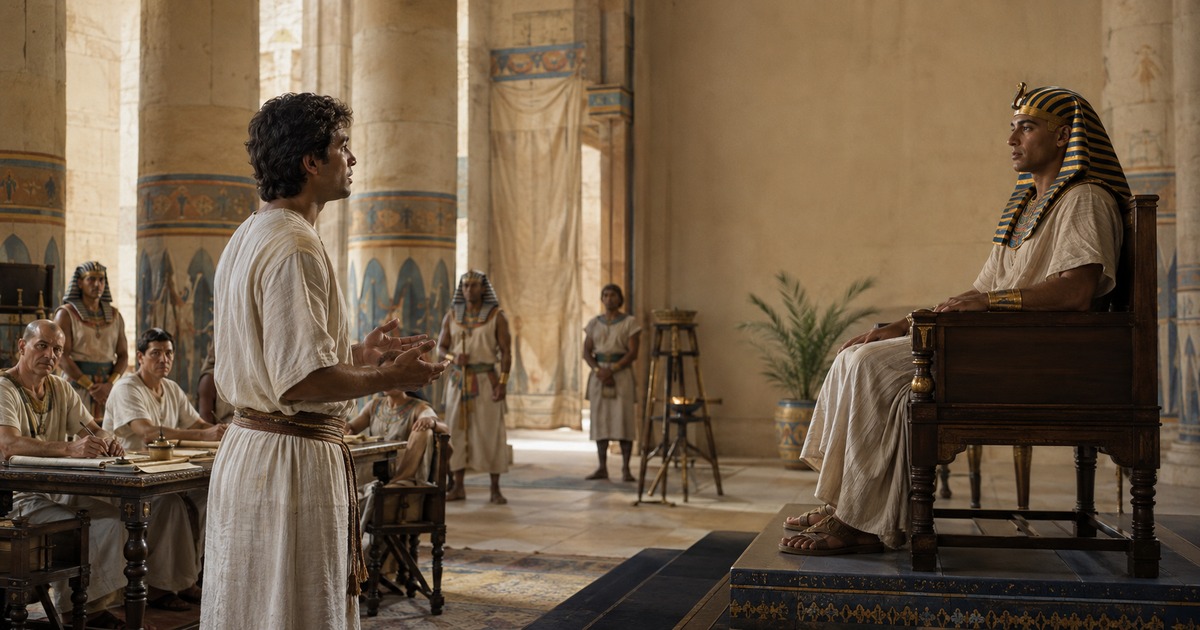
The brothers fall before Joseph and offer themselves as servants. Joseph answers, 'Fear not: for am I in the place of God?' That question reveals why his authority never becomes permission for personal vengeance. Joseph knows he has power in Egypt, but he also knows he is still a man under God.
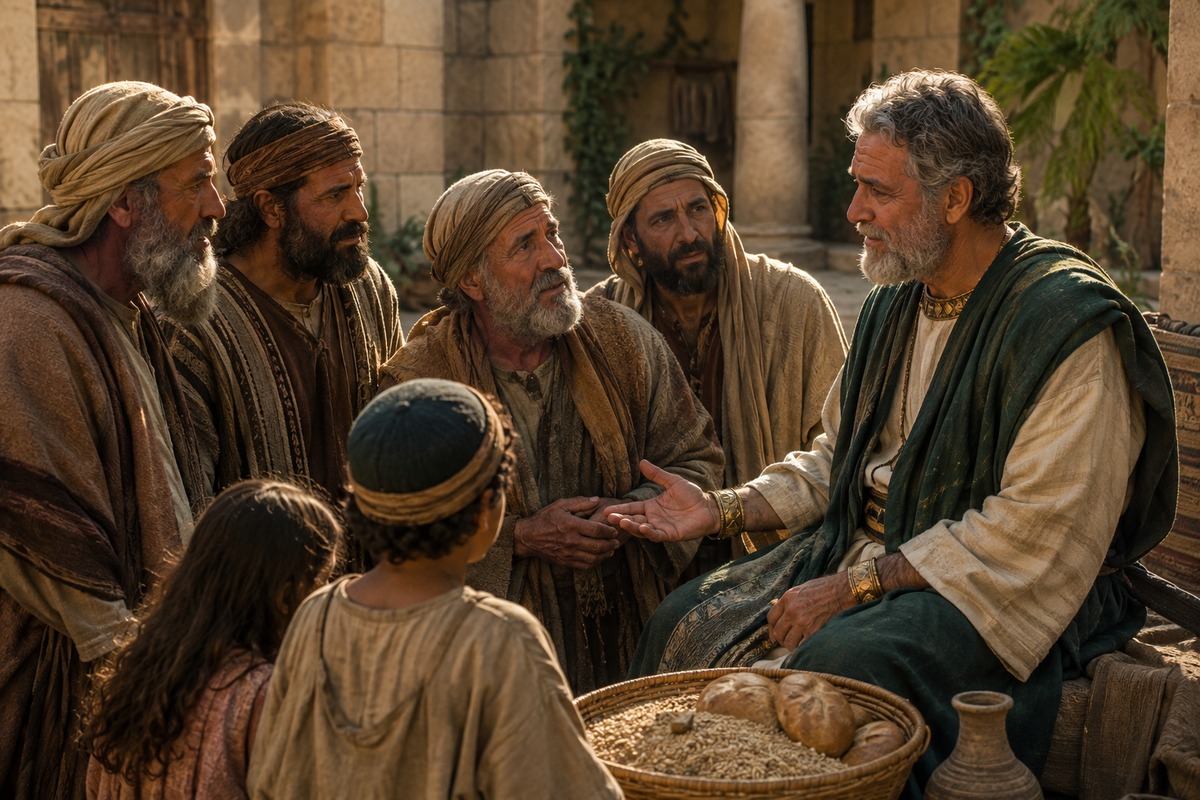
Then comes the sentence that gathers the whole journey: 'ye thought evil against me; but God meant it unto good.' Joseph calls their intention evil. In the same verse he calls God's intention good. The evil intention belongs to the brothers; the good purpose belongs to God; and the result Joseph points to is the preservation of many lives.
Joseph finishes with action: 'I will nourish you, and your little ones.' He comforts them and speaks kindly. Forgiveness has reached his words, his power and his provision. The story began with brothers who would not hear Joseph's anguish in Genesis 42:21. It now gives us Joseph hearing their fear and answering with mercy.
Hebrew Word Study: Sent and Meant
SHALACH - TO SEND Genesis 45:5 says, 'God did send me before you,' and the same sending language continues in verses 7-8. The Hebrew verb is shalach (שָׁלַח, Strong's H7971), a common verb meaning to send. Joseph is looking back over a journey that began with human betrayal and recognising that God's hand was already moving towards preservation. The repeated word helps us hear Joseph's emphasis: he sees himself as sent ahead for a purpose larger than the intention that put him on the road to Egypt.
CHASHAB - TO THINK / PLAN / DEVISE / MEAN Genesis 50:20 uses the same Hebrew verb on both sides of Joseph's sentence. Chashab (חָשַׁב, Strong's H2803) carries the sense of thinking, planning, devising, reckoning or meaning. The brothers intended evil; God intended it for good. That repeated verb makes the contrast even stronger. Human intention is real, yet it is not equal to God's purpose. Joseph's life shows the Lord bringing a life-preserving outcome through a history his brothers had shaped for harm.
Bring the truth before God in plain language. Joseph does not hide the fact that his brothers sold him. Prayer can be honest. You can tell God where you were betrayed, rejected, lied about, mistreated or abandoned without making bitterness your identity.
Release the desire to become the final judge. Joseph's question, 'am I in the place of God?' can become a prayer for us. Ask the Lord to remove the desire to make another person suffer simply because you now have the opportunity. Where justice or protection is needed, pursue it truthfully and wisely while keeping personal vengeance out of the driver's seat.
Ask the Holy Spirit to help you see what God is doing now. The past may explain part of your pain, but it does not have to decide the whole meaning of your future. Look for the places God has preserved you, matured you, opened a door, developed compassion, strengthened discernment or placed something useful in your hands.
Let mercy reach your speech. Joseph comforts his brothers and speaks kindly to them. Refusing revenge includes the words we choose after we have been hurt. We do not need to slander, humiliate or keep reopening another person's shame in order to prove that our wound was real.
Genesis 45 brings Joseph's hidden identity into the open. He weeps, calls his brothers near, names what they did and immediately speaks about what God was doing. He sees his place in Egypt as part of preservation, and his authority becomes a way of bringing his family near and feeding them through famine.
Mercy is not the final word of Joseph's life; the story turns towards children, blessing and confidence in a promise beyond Egypt. That conclusion appears in Legacy and Blessing: A Genesis 48–50 Bible Study on Generational Faith, God's Promise and Finishing Well.
Where to Read Next
Character When No One Is Watching: A Genesis 39:7 20 Bible Study on Integrity, Temptation and the Cost of Obedience — Worth reading next.
The Story of Joseph in the Bible: 10 Powerful Lessons From His Life
Further Reading
Found this helpful? Share it with someone who needs it.