Genesis 41:1-36 brings Joseph from the place where he was forgotten into a room where a real problem requires the understanding God has given him. This study pays attention to what Joseph does when the door opens: he prepares himself, listens carefully, refuses to take God's glory, interprets Pharaoh's dreams and then gives a practical plan for the years ahead. The aim is to help us see that a God-given gift becomes deeply useful when humility, preparation, discernment and responsible action remain together.
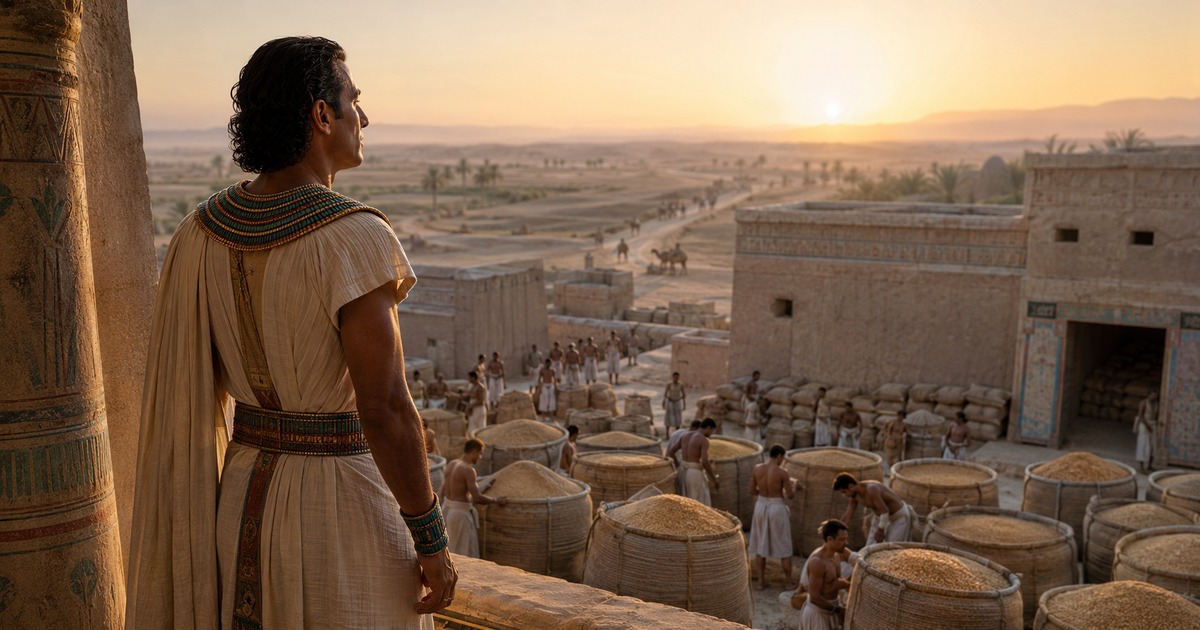
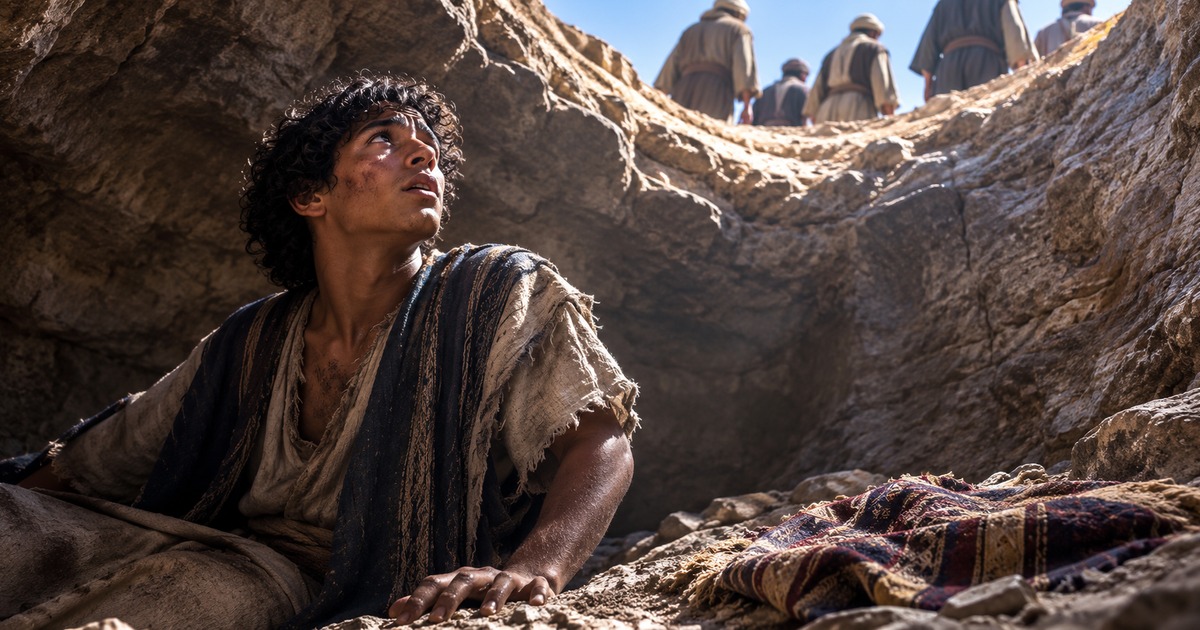
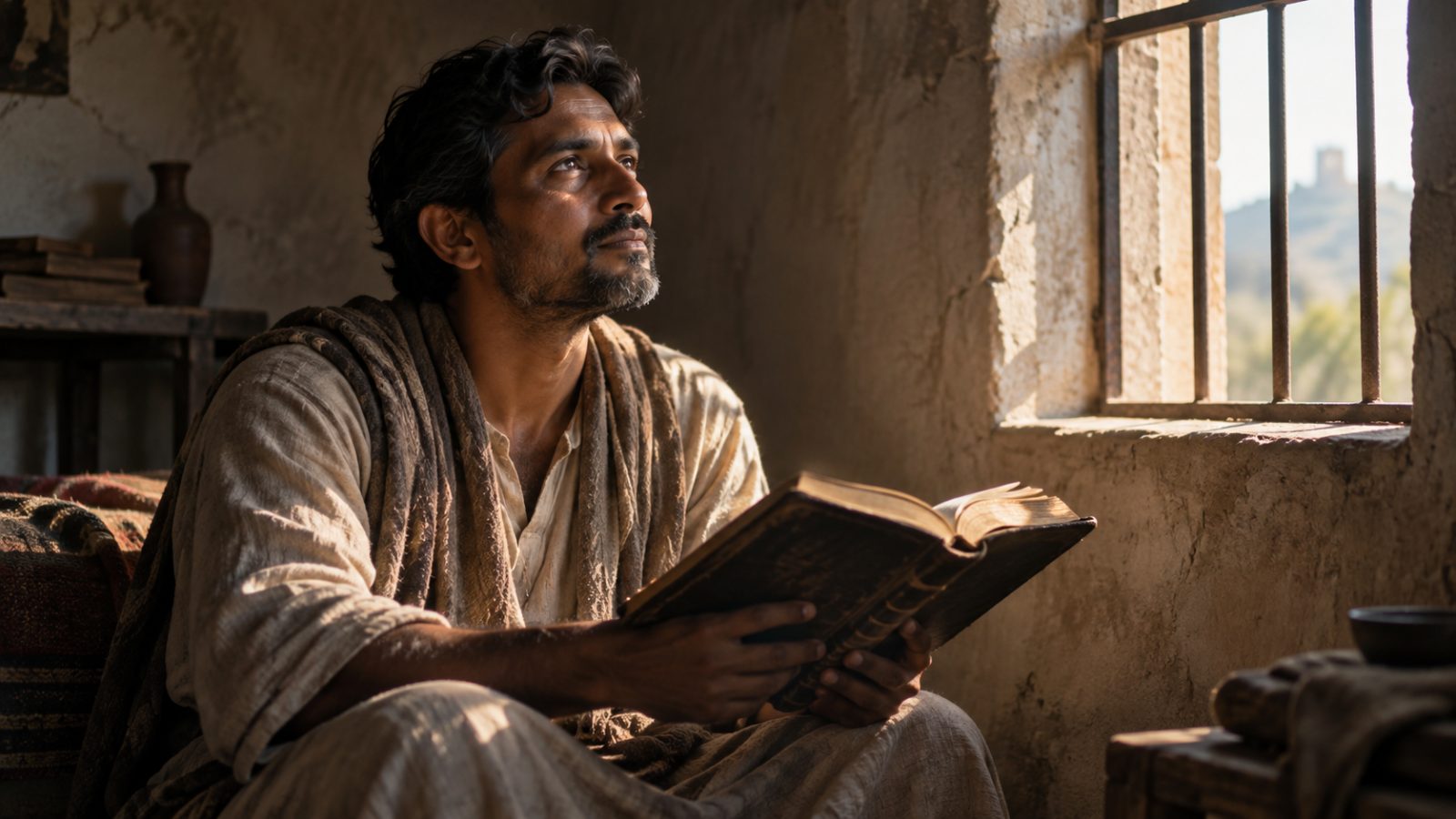
Genesis 41 begins where Lesson 4 left us waiting. The chief butler had forgotten Joseph, and verse 1 tells us that two full years pass before Pharaoh dreams. Joseph has no control over the timing of Pharaoh's problem or the moment when the cupbearer will remember his name. The need develops outside the prison while Joseph remains where he has been serving.
The chapter then changes quickly. Pharaoh's troubled spirit leads him to call the magicians and wise men of Egypt. When they cannot interpret the dreams, the cupbearer remembers the Hebrew prisoner whose earlier interpretations came to pass. Joseph is summoned suddenly, but the ability he brings into the room has already been exercised in hidden places.
As you study, watch what Joseph does with opportunity. He prepares his appearance, listens to Pharaoh, directs glory to God and then gives both understanding and a plan. The door is important, but the person who enters the door matters just as much. Genesis 41 teaches us to carry our gifts with enough humility to honour God and enough wisdom to become useful to people.
Genesis 41:1-8 - A Need Became Visible While Joseph Was Still Hidden
The chapter opens with 'two full years.' Joseph's waiting continues until a problem arises in Pharaoh's own life. The king dreams of seven healthy cattle consumed by seven lean cattle, and then of seven full ears of corn devoured by seven thin ears blasted by the east wind. He wakes troubled because he has seen something he cannot understand.
Pharaoh calls the magicians and wise men of Egypt, tells them the dreams and still receives no interpretation. The room has status, knowledge and authority, yet the problem remains. Meanwhile Joseph is still outside that room. This is important for anyone developing quietly: a need can be forming somewhere you cannot see while God is also forming your capacity somewhere else.
Preparation therefore has value before opportunity becomes visible. We do not develop only because people are already asking for us. We learn, practise, serve, pray and grow because what God has entrusted to us deserves faithfulness before the larger need appears.
Genesis 41:9-13 - The Cupbearer Remembered the Service He Had Received
The chief butler finally speaks. He remembers his faults and tells Pharaoh what happened in prison. His description of Joseph is humble: a young man, a Hebrew and a servant to the captain of the guard. Yet the evidence he gives is strong. Joseph interpreted their dreams, and the outcomes happened as he had said.
Joseph's work in prison had become a testimony somebody else could repeat. He had no palace title when he served the cupbearer. He simply used what God had placed in him faithfully enough that, when the need arose, the quality of that earlier service could be remembered.
This challenges us to think about what people experience when our gift serves them. Ability becomes more trustworthy when it is joined to accuracy, character, care and responsibility. The room Joseph is about to enter is new, but the habits he carries into it have been forming for years.
Genesis 41:14 - Joseph Prepared Himself for the Room He Was Entering
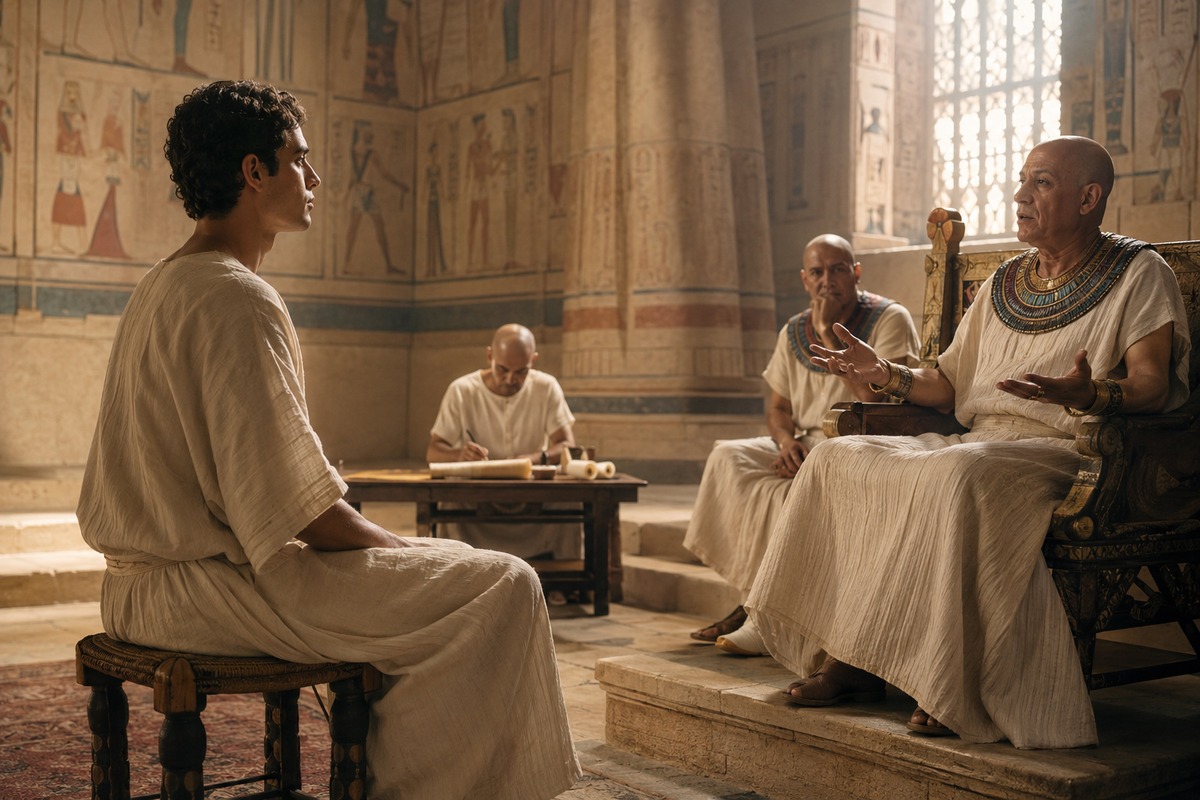
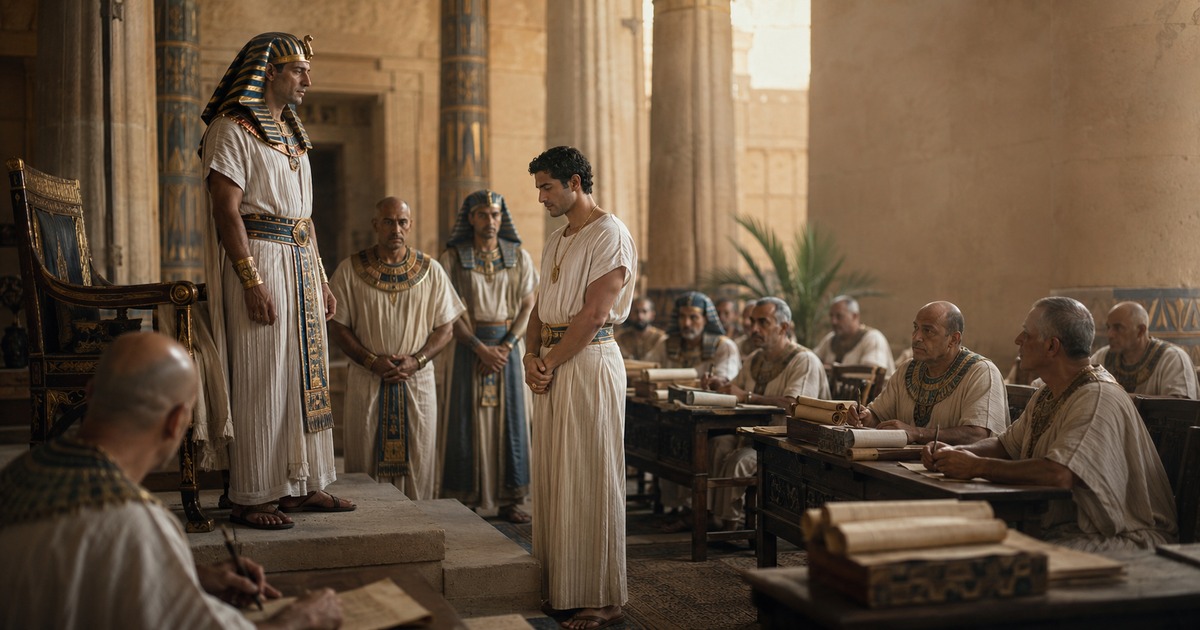
Pharaoh sends for Joseph, and the change is sudden: they bring him hastily out of the dungeon. Yet Joseph does something practical before standing before the king. He shaves himself, changes his raiment and then comes in unto Pharaoh.
The verse places preparation between the summons and the appearance. Joseph does not confuse spiritual dependence with carelessness. He respects the moment enough to present himself appropriately for the responsibility in front of him.
The principle reaches into many areas of life. If you desire to teach, study the Word carefully. If you desire to lead, learn how to communicate and carry people responsibly. If you are building a business, learn administration and stewardship. Prayer and preparation belong together because faithfulness takes seriously what has been placed in our hands.
Genesis 41:15-16 Joseph Entered With Ability but Kept the Glory With God
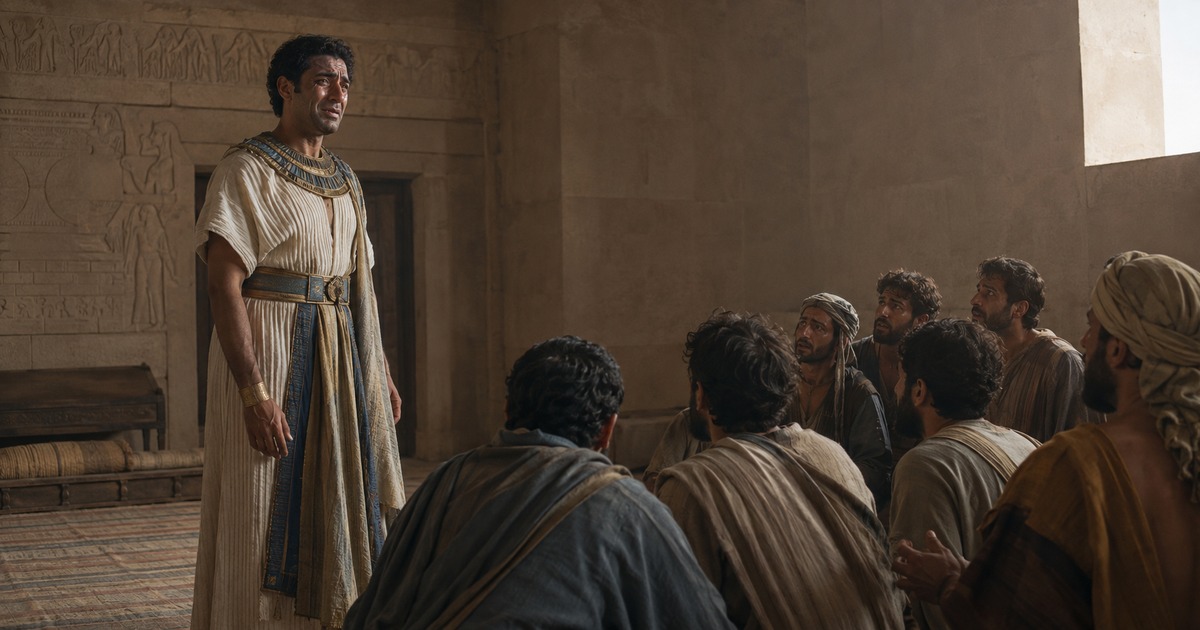
Pharaoh tells Joseph what he has heard: 'thou canst understand a dream to interpret it.' This is the moment when Joseph could easily build his own name. Instead, his first recorded answer is, 'It is not in me: God shall give Pharaoh an answer of peace.'
Joseph does not run away from the responsibility. He remains in the room and will interpret the dreams. His humility is therefore active, not passive. He knows the ability is real, but he also knows that God is the source of the answer Pharaoh needs.
That balance protects the heart when recognition comes. We can become competent without becoming self-important. We can acknowledge that God has given us an ability without pretending we have nothing to offer. The safest place for a gift is in the hands of somebody who is willing to work and still knows how to say, in the deepest sense, 'It is not in me.'
Genesis 41:17-24 Joseph Listened Before He Answered
After Joseph's brief statement in verse 16, Pharaoh speaks from verse 17 through verse 24. He retells both dreams and describes the details that trouble him. Joseph does not interrupt the account. The text lets Pharaoh finish before Joseph begins the interpretation in verse 25.
Listening is part of wisdom. Gifted people can become so eager to show what they know that they answer before they have understood the person or the problem. Joseph's example gives room for the whole matter to be heard before the answer is given.
This matters in ministry, leadership, friendship and work. A good answer often begins with a good question and patient attention. When we listen carefully, we honour people and reduce the temptation to make our gift the centre of every conversation.
Genesis 41:25-32 Joseph Explained the Pattern and Kept God at the Centre
Joseph begins, 'The dream of Pharaoh is one.' The two dreams carry one message. Seven years of great plenty are coming, followed by seven years of severe famine. The second season will be so grievous that the earlier plenty will be forgotten in the land.
Joseph repeats the central truth in verses 25 and 28: God has shown Pharaoh what He is about to do. Verse 32 then explains the doubling of the dream: the matter is established by God and will shortly come to pass. Joseph's confidence is therefore rooted in God, not in the pressure of standing before a powerful man.
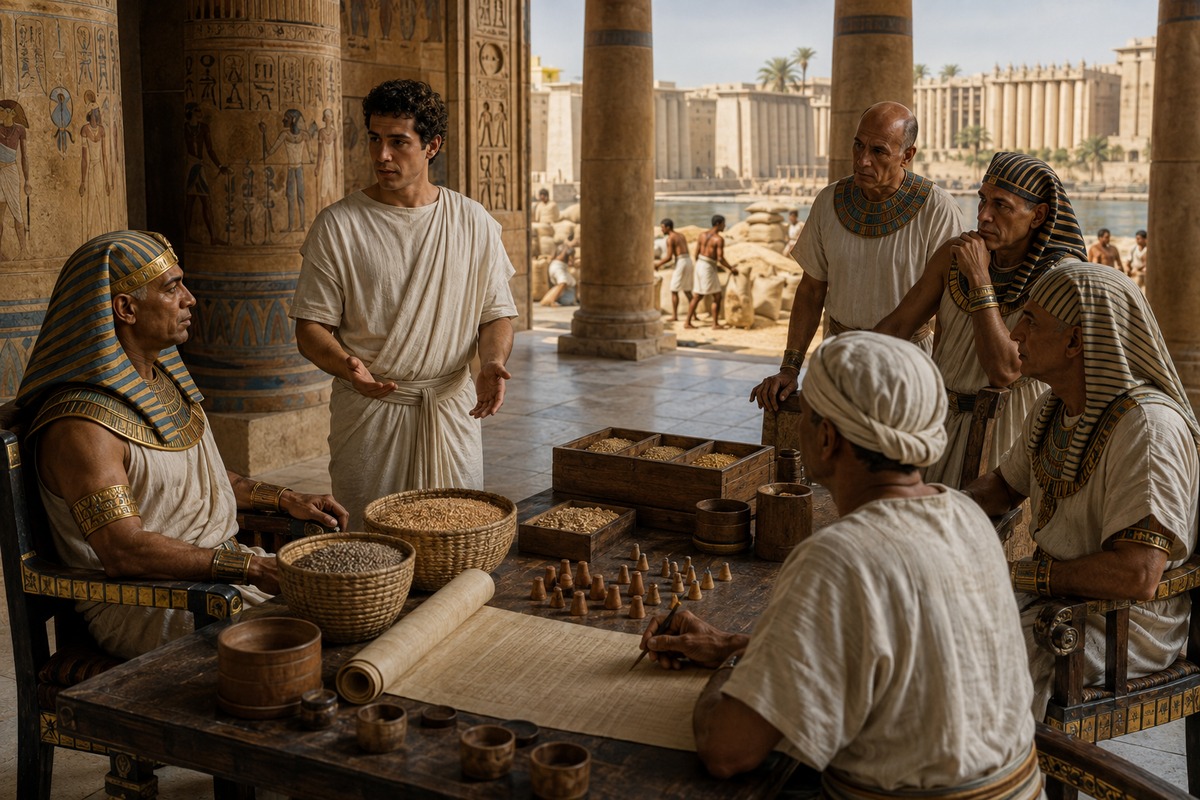
There is also a lesson in clarity. Joseph takes disturbing images and explains them in an ordered way that Pharaoh can understand. A mature gift should help bring clarity, not confusion for the sake of appearing deep. When God gives us understanding that is meant to serve others, we should labour to communicate it faithfully and clearly.
Genesis 41:33-36 Joseph Turned Understanding Into a Responsible Plan
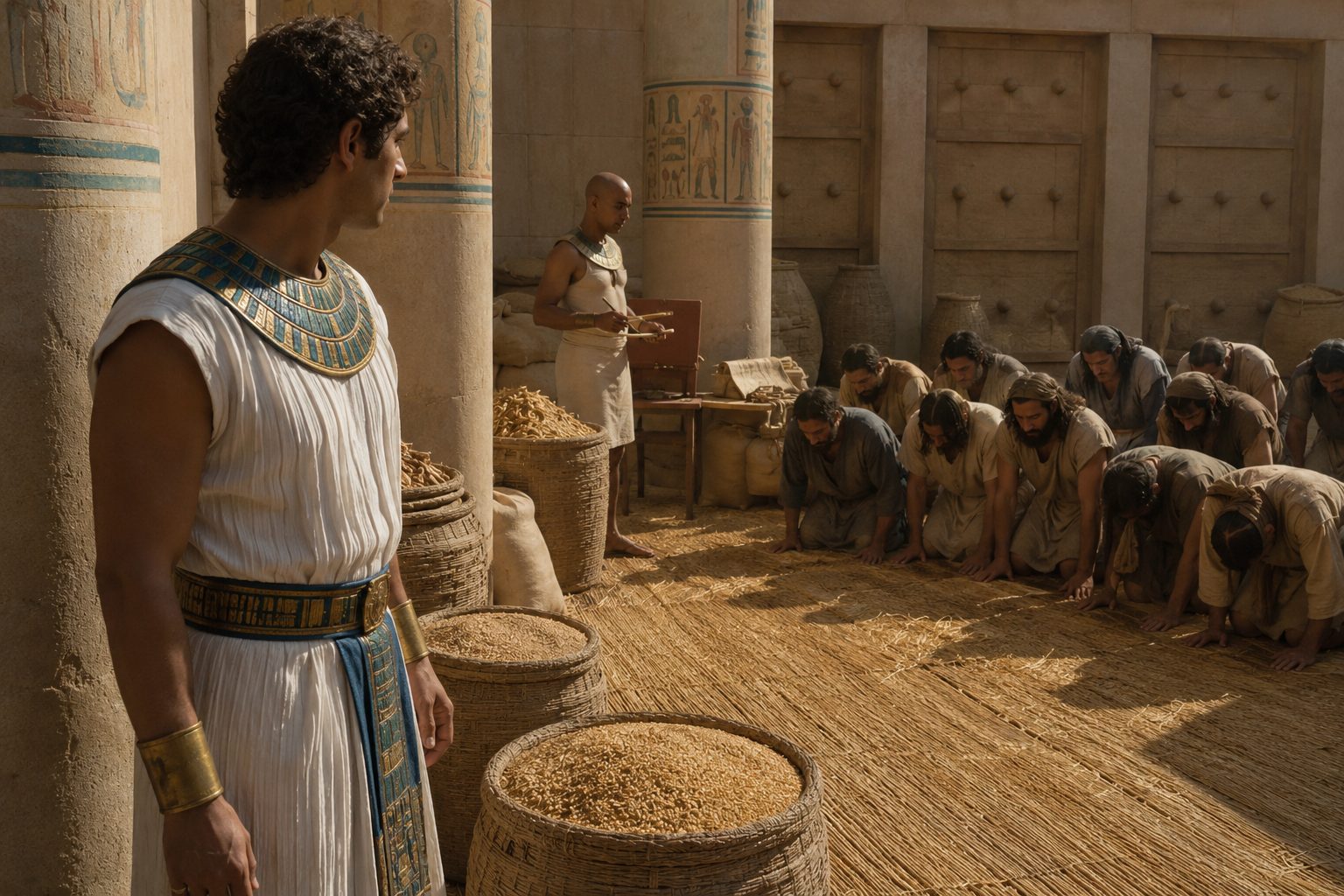
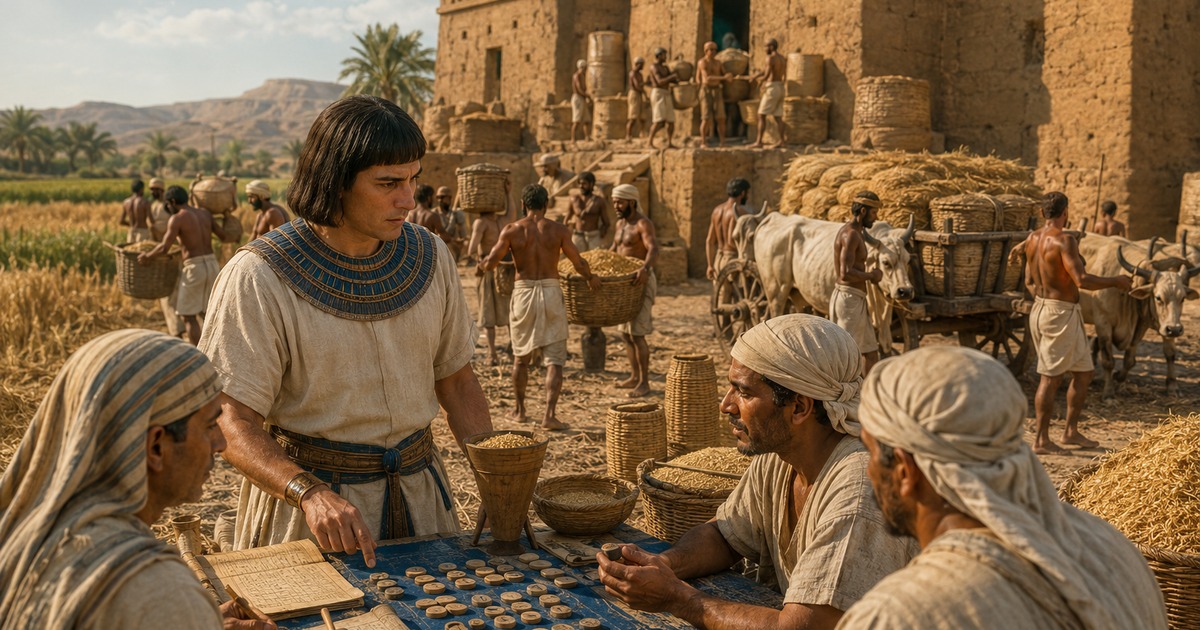
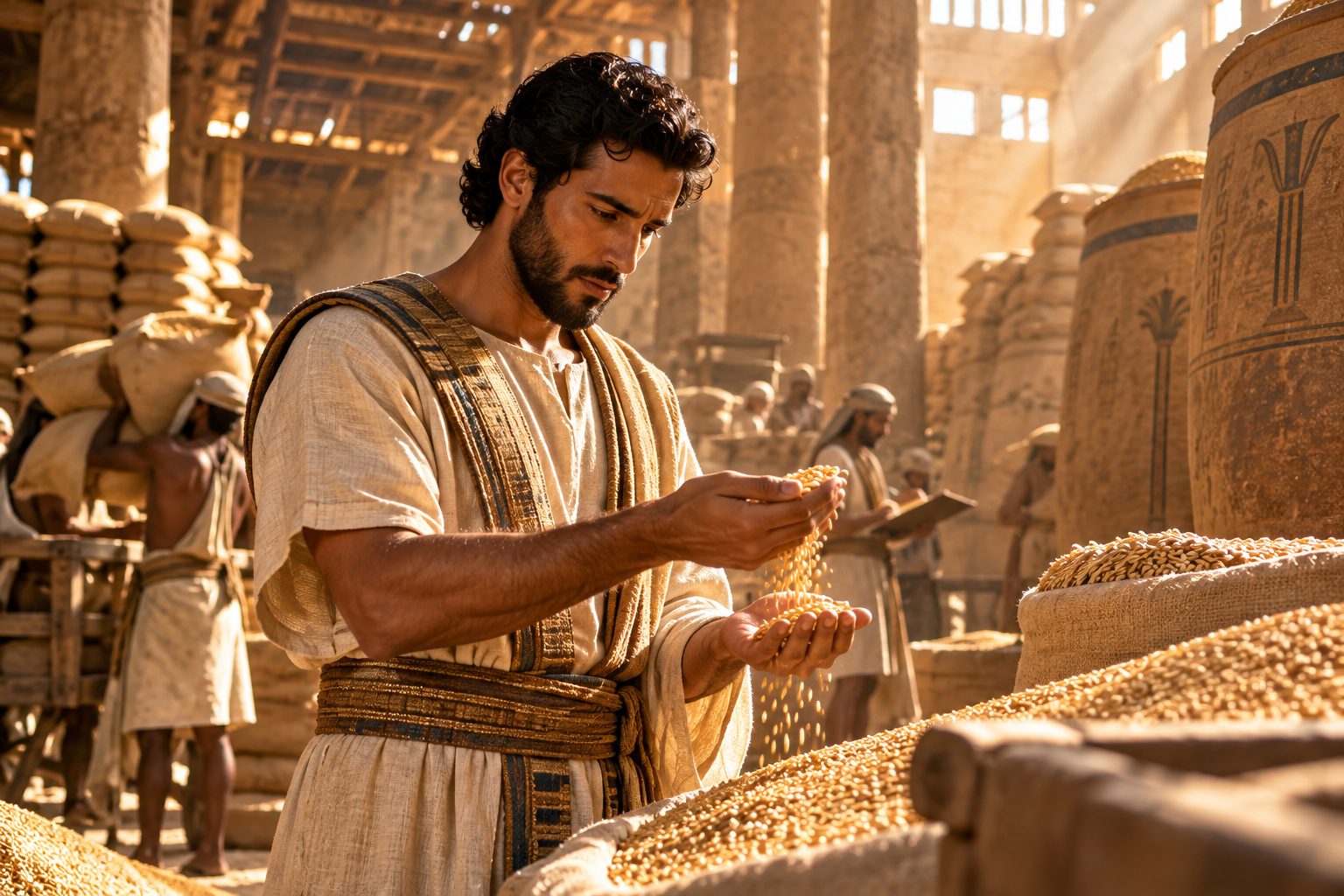
Joseph could have stopped after interpreting the dreams, but he continues. He tells Pharaoh to look for a discreet and wise man, appoint officers, take a fifth part during the seven plenteous years, gather the food, store the corn under Pharaoh's authority and keep food in the cities for the famine ahead.
This movement is one of the strongest lessons in the passage. Joseph does not only identify what is coming; he thinks about what should be done because it is coming. Understanding becomes planning. Planning becomes storage. Storage becomes preparation for a future need.
There are believers who can describe a problem very well but have not yet developed the discipline to build a response. Genesis 41 joins spiritual dependence with practical wisdom. Prayer does not make planning unnecessary. Trust in God gives planning its proper centre, while wise action helps us steward what God has shown us and what He has already placed in our hands.
Notice also that the plan prepares during plenty for a coming season of scarcity. This speaks directly to stewardship. A season of abundance is not only a season for consumption. It can also be a season for saving, storing, organising and preparing so that future responsibility can be carried with wisdom.
Begin by naming the gift or ability you are actually responsible to develop. It may be teaching, leadership, business, writing, organisation, hospitality, music, counselling, craftsmanship, administration or something quieter that serves people well. Give it time, study and practice before you demand visibility from it.
Prepare for the kind of responsibility you pray about. Ask what knowledge, character, communication, discipline and practical skill the responsibility will require. Joseph's summons was sudden, but he still prepared before entering Pharaoh's presence. Readiness honours opportunity.
Look for real needs rather than only visible platforms. Pharaoh's need gave Joseph's gift somewhere to serve. In your own environment, pay attention to problems you can genuinely help solve. A useful gift creates value by serving people, not by constantly proving that the gifted person is important.
Keep God at the centre when people praise what you can do. Joseph's first words correct Pharaoh's emphasis without rejecting the assignment. Receive encouragement with gratitude, keep learning and remember that the source of what is good in you is greater than the room that recognises it.
Genesis 41:1-36 brings Joseph into Pharaoh's presence after two more years of waiting. Pharaoh has a troubling problem, the cupbearer remembers Joseph and Joseph is brought quickly from the dungeon. He prepares himself before entering, listens to Pharaoh and immediately places the source of the answer with God.
A wise proposal opens the door, yet the real question is whether Joseph can carry the authority attached to it. That responsibility becomes clear in From Prison to Palace: A Genesis 41:37–57 Bible Study on Promotion, Stewardship and the Character to Carry Greater Responsibility.
Where to Read Next
Facing the Past Bible Study on Forgiveness, Discernment, Rebuilding Trust and Recognising Genuine Change — Worth reading next.
You Meant Evil, God Meant Good: A Genesis 45 and 50 Bible Study on Forgiveness, Mercy and God's Purpose After Betrayal — Worth reading next.
Legacy and Blessing: A Genesis 48 To 50 Bible Study on Generational Faith, God's Promise and Finishing Well — Worth reading next.
The Story of Joseph in the Bible: 10 Powerful Lessons From His Life
Further Reading
Found this helpful? Share it with someone who needs it.