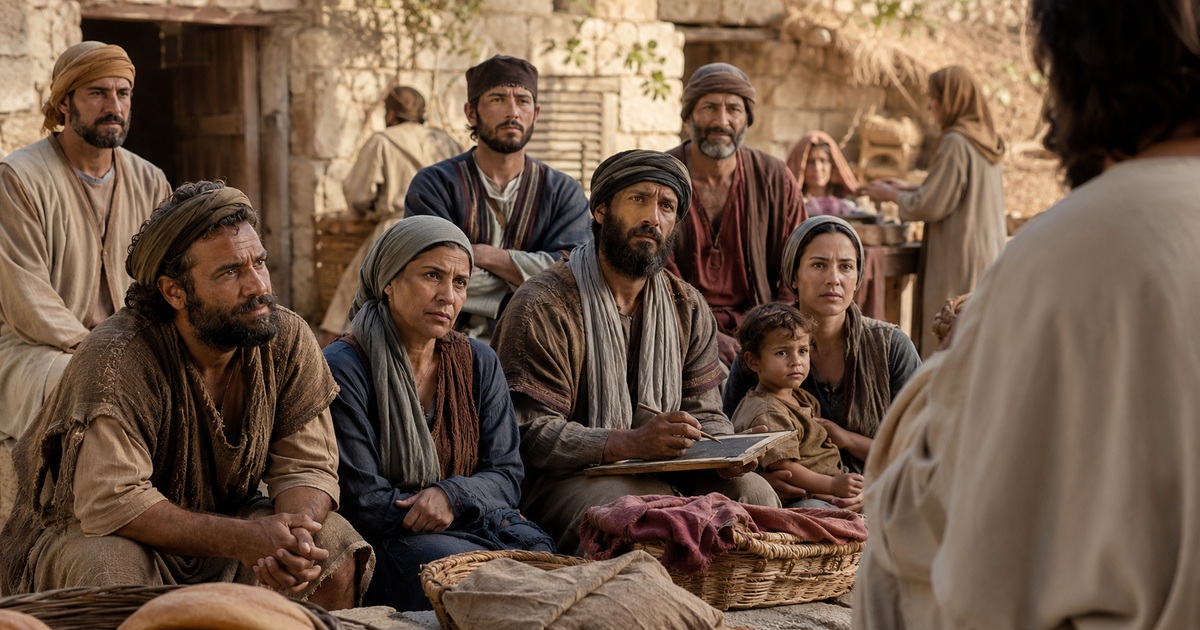
I sat in the third row of a packed church auditorium years ago, holding an envelope with a knot in my stomach. The preacher had just spent twenty minutes explaining that if I did not give my first salary of the year, my entire harvest for the next twelve months would be cursed. I was a young believer, struggling to pay my rent, and trying to understand how tithes, offerings and firstfruits actually worked. I felt confused, pressured, and honestly, a little bit terrified of God's ledger.
If you have ever sat in a pew feeling that same heavy pressure, I want you to take a deep breath. Today, let us clear away the religious fog. We need to look directly at what Scripture actually says about these three distinct practices, rather than what popular sermon series have turned them into. When you begin to understand these distinctions, you will find that God's financial framework is designed to bring freedom, not fear.
This clarity is very important because your giving should always flow from a place of revelation, not manipulation. Understanding how these elements differ is a key part of mastering Kingdom money principles from the Bible so that you can steward your resources with absolute confidence. Let us look at the truth together.
The Root Meanings of Tithes, Offerings and Firstfruits
To grasp the difference between tithes, offerings and firstfruits, we must look at the original languages of Scripture. The word "tithe" in Hebrew is ma'aser, which comes from eser, meaning ten. In the biblical mind, this was not just a random percentage, but a structural acknowledgement of God's sovereignty. The writer of Proverbs knew that the tenth portion belonged to the Creator before the rest could be enjoyed.
When we look at the word "offering" in Hebrew, we find several terms, but the most common is terumah. This word literally means a contribution or a portion that is "lifted up" or set apart. It was entirely voluntary, representing a heart that wanted to honour God above and beyond any legal requirement. It was about relationship, not obligation.
Then we have "firstfruits", which comes from the Hebrew word bikkurim, referring to the very first of the agricultural harvest. It is related to bekhor, which means firstborn. When the Israelites brought their bikkurim, they were declaring that God was the first source of their life and sustenance. They were trusting Him with the entire harvest before they even saw the rest of it.
As the KJV Bible beautifully records in the book of Proverbs: "Honour the Lord with thy substance, and with the firstfruits of all thine increase: So shall thy barns be filled with plenty, and thy presses shall burst out with new wine." (Proverbs 3:9-10, KJV)
This verse shows that firstfruits were always tied to the agricultural increase of the land. It was a tangible expression of memory and faith. Now, let us break down how each of these three elements functioned in daily Israelite life, and how they apply to you as a believer today.
What a Tithe Meant in the Bible
The Hebrew word ma'aser means a tenth, but its application in Israel's covenant life was highly specific. Tithing was closely connected to agricultural increase: seed, fruit, herds, and flocks. Leviticus 27:30 describes a tenth of the produce of the land as holy to the Lord. Numbers 18 connects tithes with the support of the Levites, who did not receive a normal tribal land inheritance in the same way as the other tribes.
Deuteronomy also describes tithing in relation to worship, shared meals, Levites, and vulnerable people. These passages are one reason careful teachers should not describe the Old Testament tithe as nothing more than ten per cent of a modern salary placed in a Sunday offering. Israel's system was agricultural, covenantal, and connected to worship and communal provision.
I spent years believing that if I simply paid my ten per cent, God was contractually obligated to make me rich. But that is a complete misunderstanding of the text. If you want to know what the Bible actually says about this, you should read my post on why tithing alone will not make you wealthy and what its true spiritual purpose is.
That context does not make tithing irrelevant. It prevents us from using one word carelessly. The tithe taught Israel that increase came with responsibility and that worship, ministry, and care for people could not be separated from economic life. Those principles still challenge Christians even where churches differ over whether the exact ten-per-cent requirement carries directly into the new covenant.
What an Offering Was in Scripture
Offering is a much wider category than the tithe, and it operates on completely different spiritual principles. Scripture records required offerings, freewill offerings, sacrifices, contributions for the tabernacle or temple, and gifts for particular needs. The Hebrew vocabulary is broader than one English word. Terumah can describe a contribution or portion lifted up, while nedabah carries the sense of a voluntary or freewill gift.
The context tells us which kind of offering is being discussed. If you want to understand how modern teachers have twisted these terms, I encourage you to read what I wrote about what is wrong with the prosperity gospel and how it distorts the true nature of biblical giving. A willing heart does not need historical confusion in order to become generous.
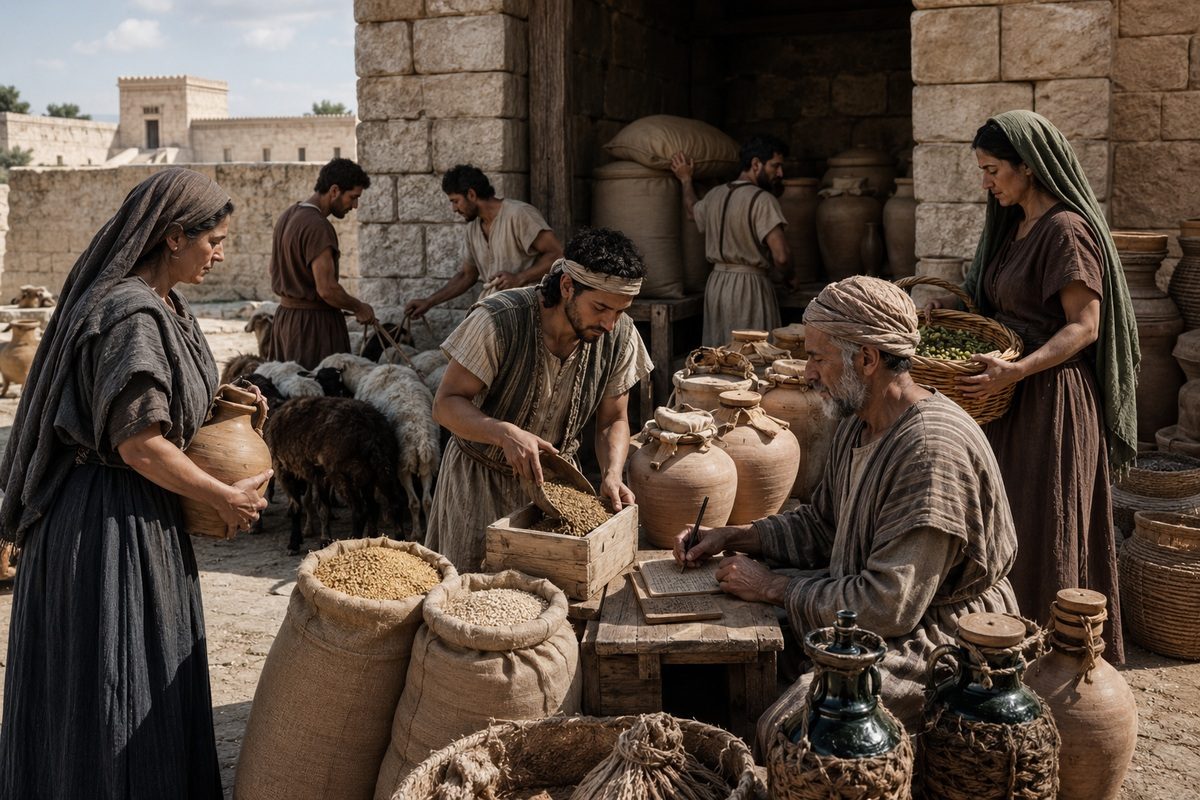
Exodus 35 gives a beautiful example of this. Moses invited those whose hearts were willing to bring materials and skilled work for the tabernacle. The people responded so abundantly that the craftsmen eventually reported that there was more than enough. The story is not a formula promising that donors will become rich. It shows willing participation, clear purpose, skilled administration, and leaders who knew when enough had been received.
In the New Testament, Paul emphasises willingness and proportion. In 2 Corinthians 8 and 9, the churches are invited to complete a collection for believers in need. Paul does not present compulsion as spiritual maturity. He says the gift should be prepared as a matter of generosity and not as extortion, and that each person should give as purposed in the heart.
What Firstfruits Meant to Israel
Firstfruits were the first portion of an agricultural harvest presented to God. The Hebrew bikkurim refers to the first produce brought in gratitude. Deuteronomy 26 connects the gift with a spoken confession of Israel’s story: God brought the people out of bondage, gave them the land, and enabled the harvest. Firstfruits therefore joined produce to memory.
The first portion mattered because it was brought before the whole harvest had been enjoyed. It acknowledged God as source and treated the coming harvest as entrusted. This is where we must understand biblical stewardship versus ownership because the firstfruits declared that the land belonged to God, not to the farmer.
Yet firstfruits should not be reduced to a modern slogan that every first salary, first contract, or first income of January must be handed to a preacher. A Christian may choose a first-income gift freely, but that practice should not be advertised as an explicit New Testament command or a guaranteed key to financial breakthrough.
The New Testament also uses firstfruits as theological imagery. Christ is called the firstfruits of those raised from the dead in 1 Corinthians 15:20, and the Spirit is described as firstfruits in Romans 8:23. In those passages the word points to the first part that guarantees or anticipates what follows; it is not an instruction about personal income.
How Jesus Spoke About Tithing
In Matthew 23:23, Jesus rebuked scribes and Pharisees who tithed small herbs while neglecting justice, mercy, and faithfulness. He was speaking to people living within Israel’s covenant practice before the cross. His criticism was not that careful giving was evil. It was that exact religious accounting had become a cover for a distorted life.
If you want to understand the deeper lessons on how our Lord viewed resources, look at what Jesus said about money and wealth in His wider ministry. He was far more concerned with the state of your heart than the precision of your calculator.
That warning reaches every generation. A person can be precise about a percentage and dishonest in business. A church can preach firstfruits and fail to account publicly for what it receives. A giver can make an impressive offering while refusing to pay workers or care for dependants. Jesus will not allow the gift to hide the weightier matter.
What Malachi 3 Does and Does Not Promise
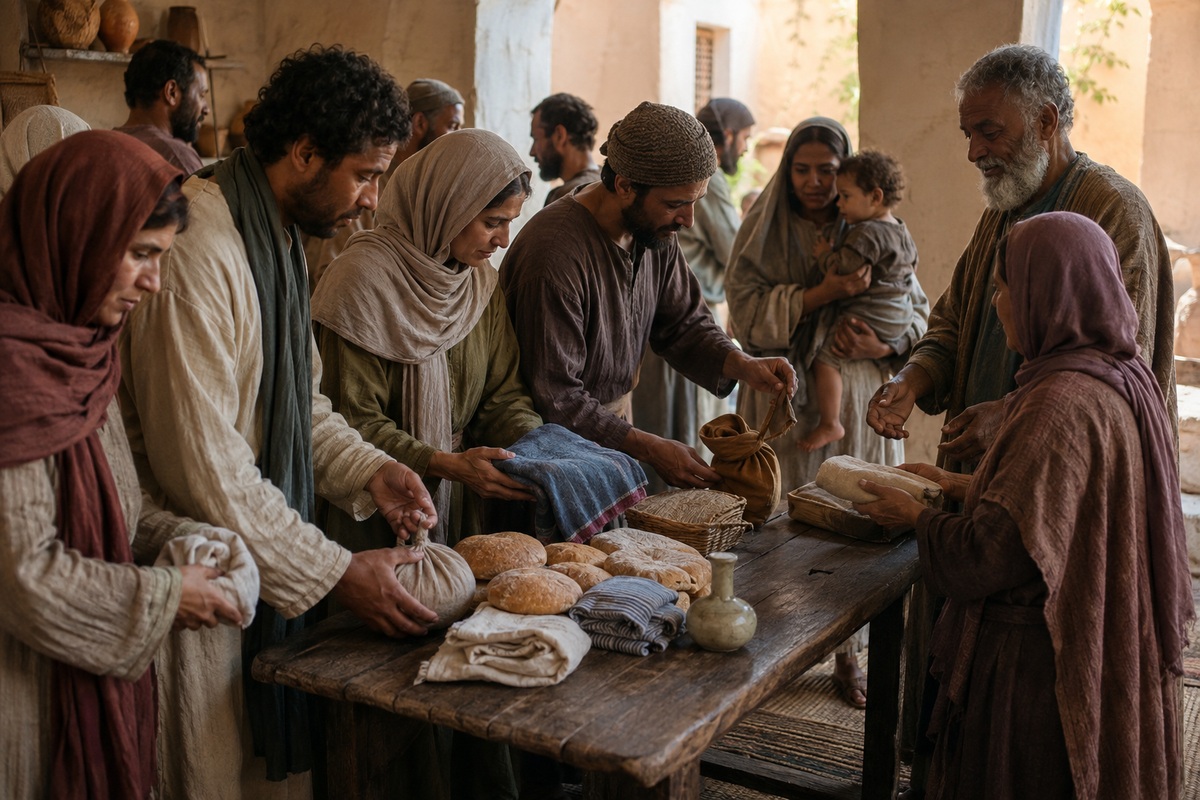
Malachi 3:8-12 is frequently quoted when churches teach tithing. The prophet addressed covenant unfaithfulness in post-exilic Judah, including corrupt worship and neglected responsibilities. The "storehouse" belonged to Israel’s temple system, and the promised rain, crops, and protection were expressed in the covenant life of the land. That setting must be heard before the passage is applied.
The text reveals that God takes dishonest withholding seriously and cares whether worship and communal provision are sustained. It should not be turned into a contract promising every Christian donor a predictable cash multiple. The new covenant calls believers to trust God and give generously, but it does not authorise us to sell a guaranteed personal return from Malachi.
We must recognise that God's provision operates through grace, not transaction. When we try to force God into a corner using Malachi, we are operating from a worldly mindset rather than a Kingdom one.
Is Tithing Mandatory for New Testament Christians?
This is a question that causes endless debate in Christian circles as we speak. The short answer is that the New Testament does not contain a legal command to tithe, but it sets a standard of generosity that often goes far beyond ten per cent.
When we look at the early church in the book of Acts, we do not see believers arguing about whether they should give gross or net. We see people selling lands and houses to ensure that nobody among them was in need. They were operating from a completely different financial system.
If you want to understand how this system contrasts with the world's way of doing things, you should study how Kingdom economics versus world economics functions in the life of a believer. The goal of New Testament giving is not to check a religious box, but to support the work of the ministry and care for the vulnerable.
What Happens if You Do Not Tithe?
Let us address the fear that many believers carry. You will not be cursed with a financial curse, and God will not send the devourer to destroy your car engine or your business because you missed a Sunday.
Christ has redeemed us from the curse of the law, being made a curse for us, as Paul tells us in Galatians. Your standing with God is secured by the blood of Jesus, not by your giving record.
However, when you withhold your resources from God's work, you miss out on the joy of partnership with Him. You remain trapped in a mindset of scarcity and ownership, rather than walking in the freedom of stewardship.
How Should a Believer Calculate Their Giving Today?
If you are trying to figure out how to structure your giving, do not start with guilt. Start with prayer and a clear look at your household budget.
First, ensure you are taking care of your basic household needs. Second, look at your debts. Many believers think they must stop all giving while paying off debt, but I have found that keeping a generous heart is vital during this season. You can read more about how to get out of debt as a christian without stopping giving to see how to balance these priorities practically.
Let your giving be systematic, proportionate, and cheerful. Use the ten per cent mark as a beautiful training ground, a baseline of discipline, but let your heart be open to go beyond it as God prospers you.
Where To Read Next
Kingdom Money Principles From the Bible
Why Tithing Alone Will Not Make You Wealthy and What the Bible Says It Actually Does
Kingdom Economics Versus World Economics: The Biblical Financial System
Biblical Stewardship Versus Ownership: The Truth That Frees You From the Fear of Loss
Frequently Asked Questions
What is the main difference between tithes, offerings, and firstfruits?
The main difference is their purpose and requirement. The tithe was a required tenth of agricultural increase for the Levites. Offerings were voluntary gifts given out of gratitude or for specific needs. Firstfruits were the very first portion of the harvest brought to acknowledge God as the source of all provision.
Should I tithe on my gross or net income?
Scripture does not give a gross versus net formula because Israel's tithe was agricultural. As a modern believer, this is a matter of personal conviction and heart posture. Many choose to tithe on their gross income to honour God first, while others give from their net income as they manage tight budgets.
Is tithing mandatory under the New Covenant?
No, tithing is not a legal mandate for New Testament believers. Here the bible teaches proportional, cheerful, and voluntary giving rather than legalistic compulsion. However, many believers still use the tenth as a helpful baseline for systematic generosity.
What happens if I cannot afford to tithe?
God does not condemn or curse you if you are struggling financially. He looks at the willingness of your heart, not just the amount. Focus on stewardship, get your household budget in order, and give what you can cheerfully, even if it is less than ten per cent.
Found this helpful? Share it with someone who needs it.